
Casey checks in.
Casey talks with the client every day by voice, between sessions, and organizes what it hears.
Casey · The voice-first AI-native mental health EHR
Most people who need mental health care never see a therapist, and unsupervised chatbots are rushing into the gap. Casey checks in with clients every day by voice, keeps the clinical record, drafts the notes and runs the billing. A licensed clinician reviews, decides and answers for the care.

01 / ClientThe client checks in every day
02 / Licensed clinicianThe licensed clinician reviews and decides
A licensed clinician reviews and decides
Pre-FDA safety validation
North Carolina is live
The model

CaseyOrganizes + drafts

Casey talks with the client every day by voice, between sessions, and organizes what it hears.
Summaries, drafted notes and signals of concern go to the supervising clinician before anything enters the record.
Judgment, escalation, treatment and accountability stay with the licensed human.
The BetterMind.Space care routine
Meet your licensed therapist, share your story and build a care plan together.
Casey sends the first message. A short voice check-in keeps the work going between sessions.
Casey prepares you both beforehand, so the time goes to progress, not catching up.
Time with your therapist to look back, adjust the plan and set what comes next.

Students and schools first
Already running
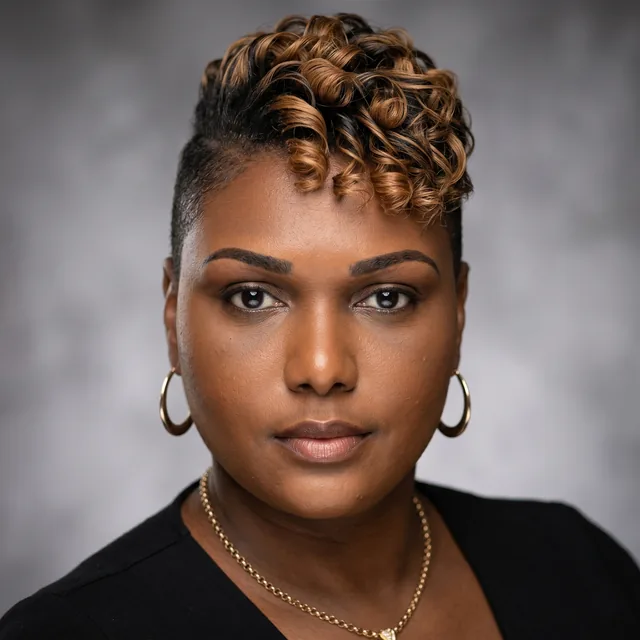
Eleanor Williams owns Elechris Health and Wellness, PLLC, holds the clinical relationship with every client, and runs Casey as her daily care layer. Students get a check-in with Casey every day and a licensed therapist who knows their story.
Eleanor owns the practice and keeps full clinical authority. Casey extends her reach to every day of the week without replacing her judgment.
Every state gets one founding licensee: a clinician-owned practice, accountable to its own state board, running Casey under its own clinician of record.
Evidence
Pre-FDA safety validation before release, and a licensed clinician supervising every day.

A human is always in the loop
Summaries and drafted notes wait for the supervising clinician. Nothing enters the record until the clinician signs.
Casey's safety behavior is validated before release, under a quality system aligned to IEC 62304, ISO 13485 and ISO 14971.
Signals of concern go straight to the supervising clinician. In a crisis, Casey puts 988 and 911 in front of the client and the on-call clinician directs the response.
The platform
The record, the daily engagement, the documentation and the billing live in one place, designed around the supervising clinician.
Brief, voice-first daily check-ins that keep clients engaged between sessions.
Sessions, notes, treatment plans and assessments on a FHIR-based foundation built on Medplum.
Drafted summaries and notes, prepared for the clinician to review and sign.
Behavioral-health billing workflows in the same platform, not a separate tool.

Clinician review + sign-offNothing Casey drafts enters the record until the clinician signs.
Two ways Casey reaches the world
BetterMind.Space
01 /
Clinician-owned practices, one founding licensee per state, running Casey for students and schools first, then for everyone.
Source licensing
02 /
Health plans, clinics, teletherapy platforms and national operators license Casey as source code or as a hosted instance, with their own licensed clinicians in the loop.
Why we know the law
Conversational AI Watch is the daily record of the laws, studies, harms and companies shaping conversational AI, delivered to more than 1,600 legislative offices. Its Registry tracks conversational-AI law with a primary source and a verification status on every row, updated nightly. That research is how we know the law Casey has to meet, and where the market is going.
CAW is published by Jess Jessop and sponsored by Clinician Assist Inc. Its method and full disclosure are on the paper.
Founder
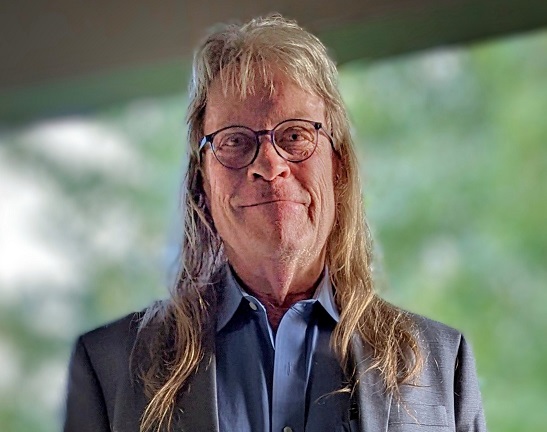
Jess Jessop has spent decades in software engineering and built speech-based conversational AI on IBM Watson in 2017. He is a disabled Navy veteran with lived experience as a mental health client, and he founded Clinician Assist to build the version of this technology he would trust.
See Casey
Start with a conversation about your clients, your clinicians and your operating model.