


BetterMind.Space

Daily mental health care for students. A licensed therapist behind every check-in.

Every day, Casey checks in. Every week, your therapist does. BetterMind.Space brings daily mental health care to students, with a licensed therapist in your state reviewing what Casey sees and stepping in when you need more.

Students and schools first. Then everyone.

  • 60-second daily check-ins
  • Weekly 15-minute Pulse Checks
  • A monthly deep dive
A student walks across campus on a bright day, smiling.
The studentChecks in every day
A licensed clinician reading the week's check-ins on a tablet.
The licensed therapistReviews every week

Two ways in

We are recruiting schools and clinicians.

A campus brings the students. A licensed clinician brings the care. BetterMind.Space needs both in every state.

Students walking along an ivy-covered campus path in autumn.

For schools and counseling centers01

Bring BetterMind.Space to your campus.

Daily mental health check-ins with Casey for your students, under the supervision of a licensed therapist in your state. Your counseling center keeps its clinicians for the students who need them most, and nobody waits alone in between.

In North Carolina, that therapist is Eleanor Williams, MSW, LCSW, and a campus launch partnership is in development.

A clinician relaxes on a leather sofa, smiling at a tablet.

For licensed clinicians1 of 50 open

Become your state's founding licensee.

One founding licensee per state: a clinician-owned practice, accountable to its own state board, running Casey under its own clinician of record.

Eleanor is the first. There are forty-nine more states.

Why this exists

The help is real. It is just not there when students need it.

We do not lack therapists, apps, or good intentions. We lack daily care that meets students where they already are: on their phones, in their dorms, at 2 a.m.

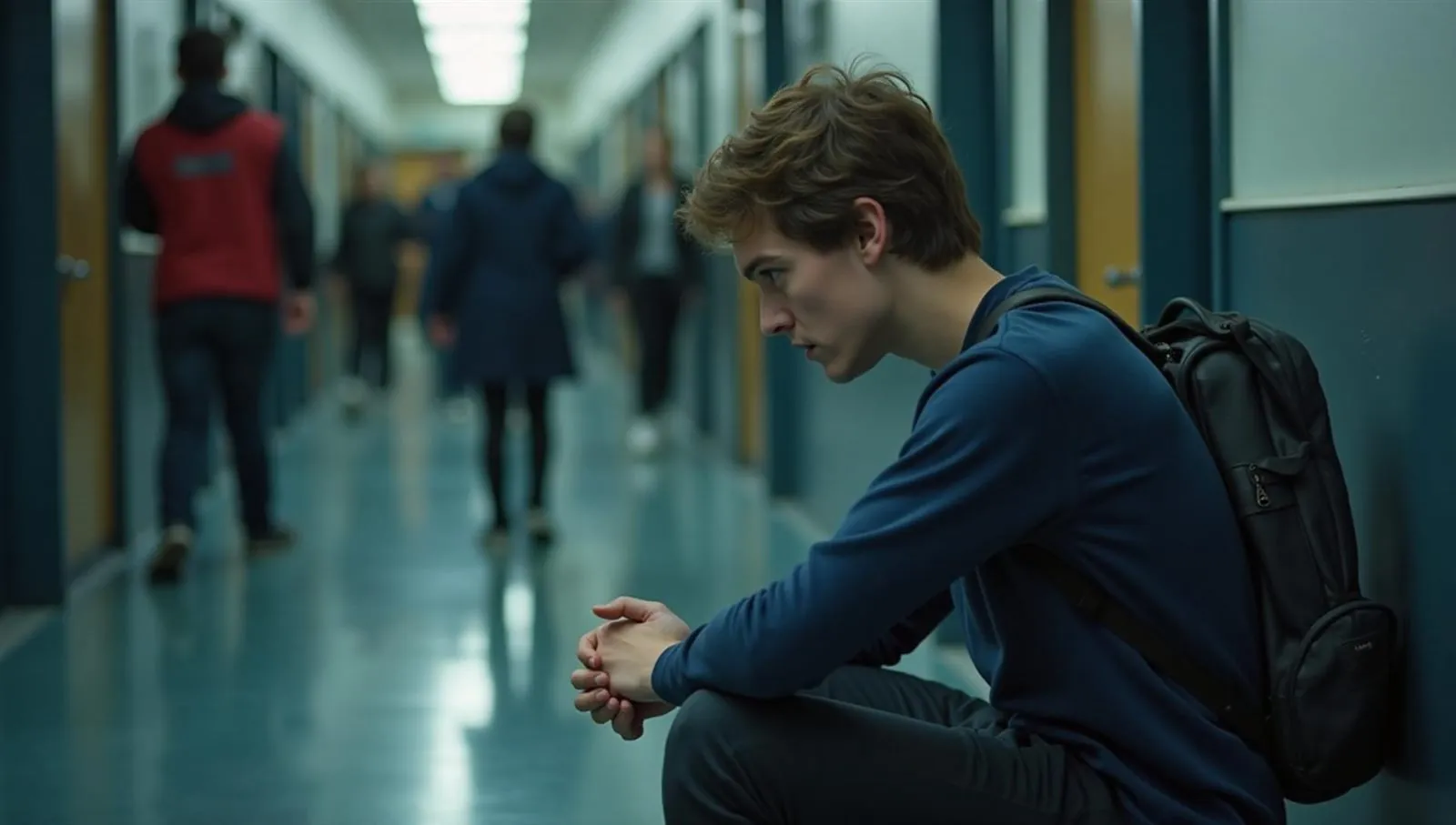
A student sits alone on the floor of an empty school hallway, knees drawn up.

The waitlist

Ready to talk. Told to wait.

Campus counseling waitlists stretch weeks to months. The moment a student finally asks for help is often the moment they are told to come back later.

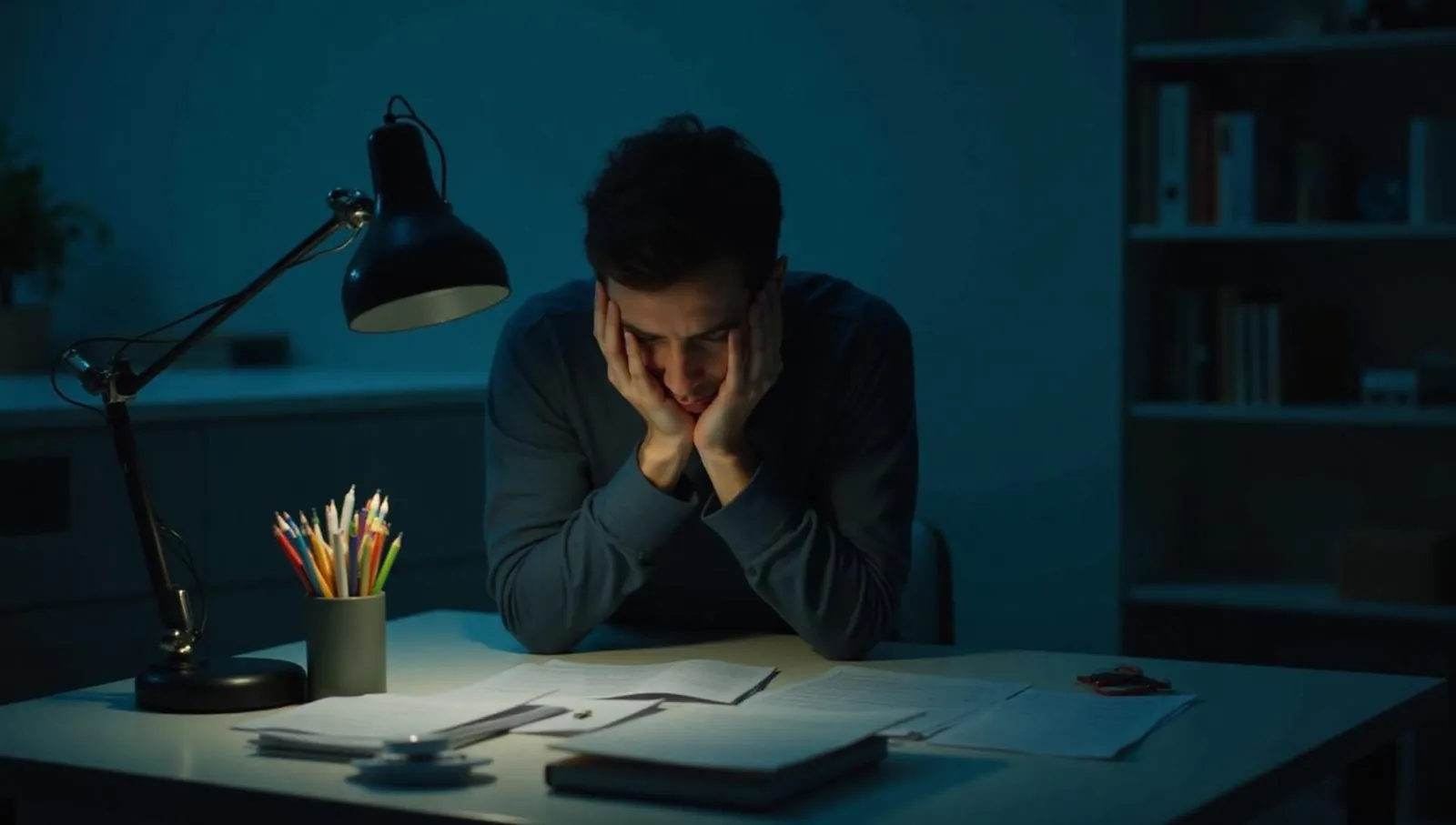
A student at a desk late at night, head in hands, a lamp lighting the books.

2 a.m.

The night before finals.

Stress does not keep office hours. It shows up in the dorm, on the phone, at 2 a.m. the night before an exam, when every office on campus is closed.

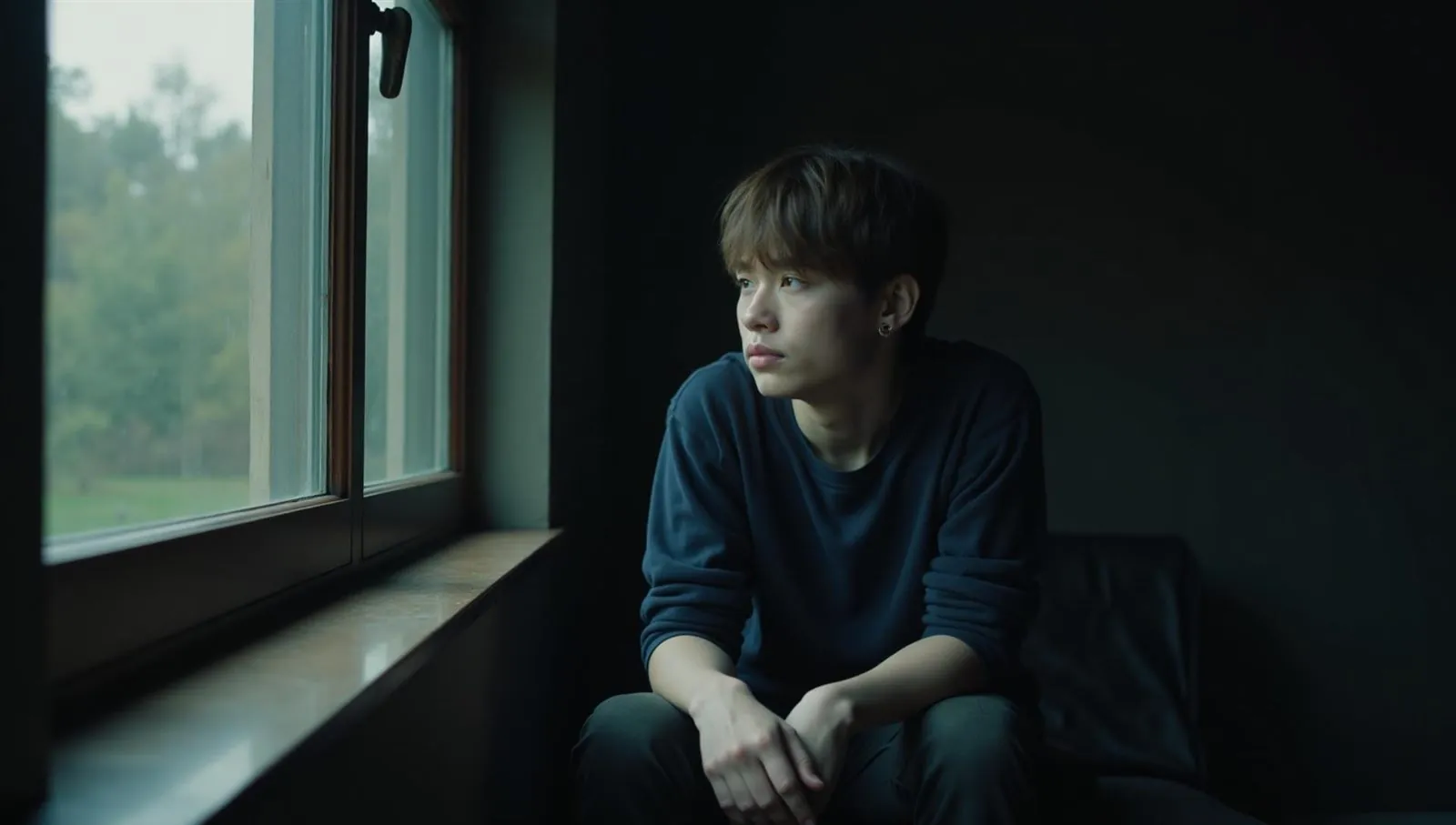
A young person sits alone by a window in dim light, looking out.

In between

Nobody notices the slide.

A weekly or monthly appointment sees one hour. The other days go unseen, and by the time anyone notices, a hard week has become a crisis.

Brush Your Brain

A hundred years ago, nobody brushed their teeth.

This is the story BetterMind.Space is built on. It is about teeth, and then it is not.

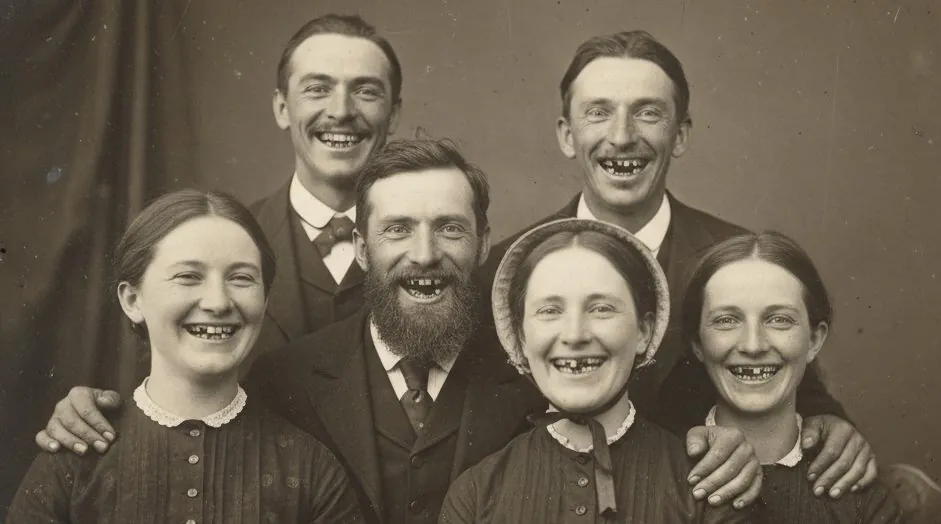
An old photograph of people in the 1800s, several with missing and damaged teeth.
1900No daily routine

1900

Nobody brushed.

In 1900, almost no Americans brushed their teeth. Dental hygiene was not a thing. People saw a dentist when the pain was unbearable, and lived with rotting teeth the rest of the time. It was normal. It was just how it was.

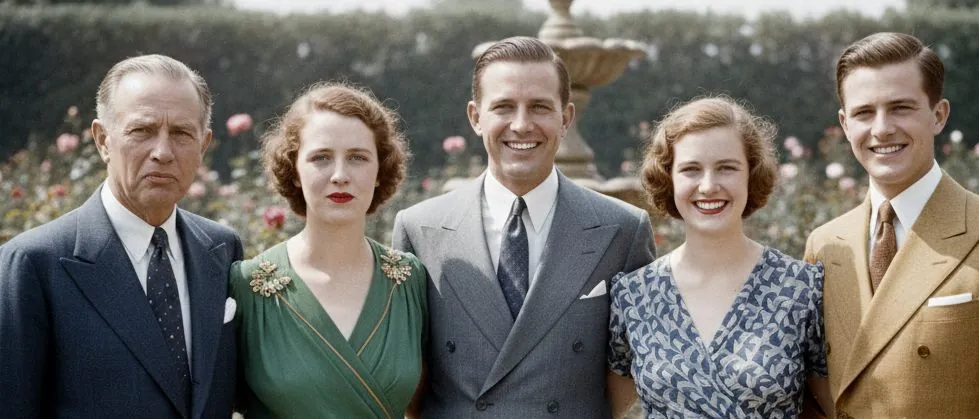
A 1930s family photograph, most of the family smiling broadly.
A generation laterEveryone did

Then

Someone made it a daily habit.

Claude Hopkins, selling Pepsodent toothpaste, did not just sell a product. He built a daily habit. He got people to run their tongue over their teeth and feel the film, and that small moment of awareness made them want the clean feeling back.

A cue, a routine, a reward. Within a generation, brushing went from rare to universal. Not because teeth suddenly mattered more, but because someone made daily care feel essential.

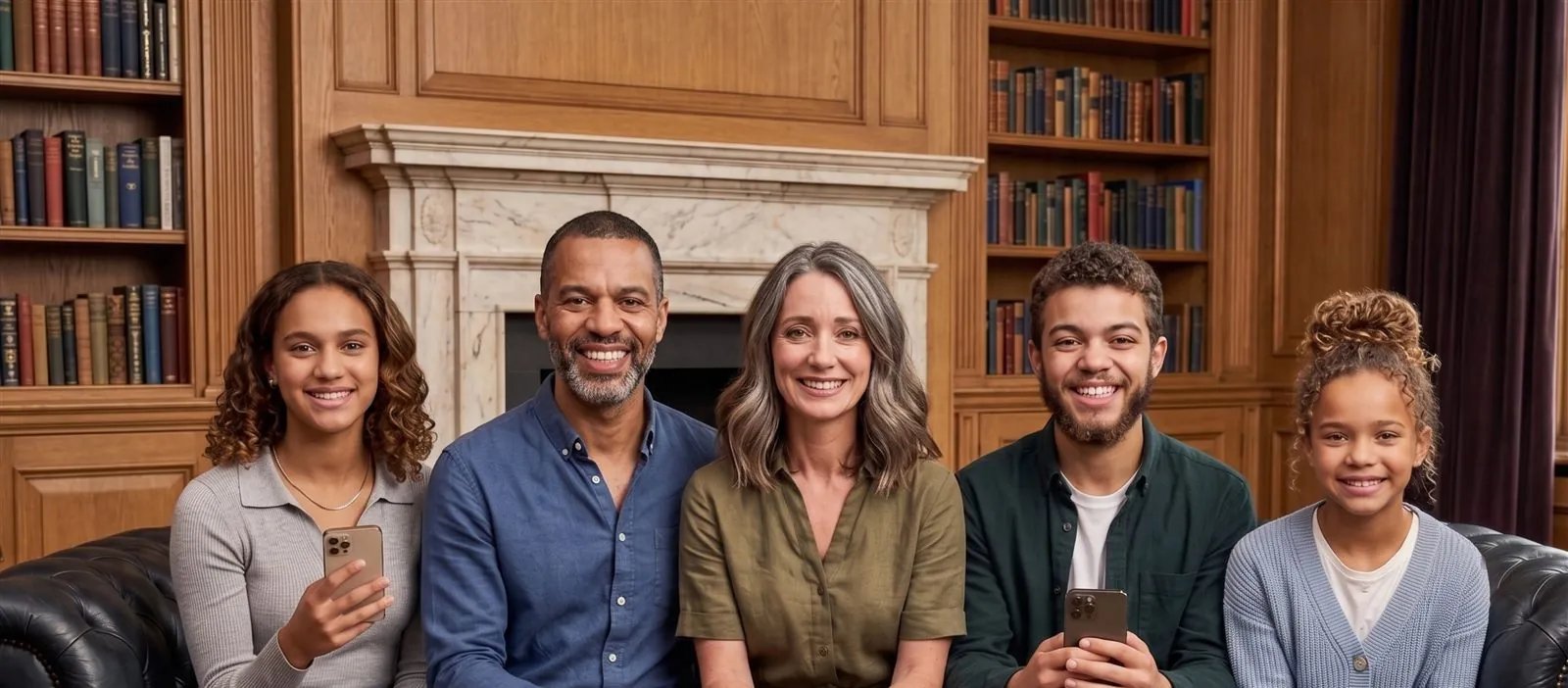
A family sits together on a couch, every one of them looking at a different phone.
TodaySame couch, somewhere else

We fixed teeth. We forgot minds.

Look at this picture. Really look. Five people, same couch, same room, and every one of them is somewhere else. Scrolling. Numbing. Performing a calm they do not feel.

We did not lack toothbrushes in 1900. We lacked the habit. Today we do not lack therapists, apps, or good intentions. We lack a daily practice for the mind.

The habit loop, for your mind

Brush Your Brain works the same way.

Hopkins did not ask anyone to change who they were. He gave them a cue, a routine, and a reward. So does Casey, every single day.

  1. CueCasey sends the first message of the day.A seon-tok, so you never open the app cold or wait for a bad moment to reach out.
  2. RoutineA 60-second check-in.Voice or text. Name what you are feeling, and actually hear yourself think.
  3. RewardThe feeling of being heard.And the calm that comes with it. The phones do not disappear, they just stop being the escape hatch.
A student pauses outdoors in golden light, eyes closed, phone in hand.
Sixty secondsEvery day

The parallel: mental health is where dental health was in 1900

Then · Dental health, 1900

  • No daily routine existed
  • Only saw a dentist when in severe pain
  • Preventive care was unheard of
  • Suffering was "just how it is"

Now · Mental health, today

  • No daily mental wellness routine
  • Most people only seek help in a crisis
  • Preventive mental health care is rare
  • Anxiety and stress are "just college life"

The future · Daily mental wellness

  • 60-second daily check-ins with Casey
  • Weekly 15-minute Pulse Checks with your therapist
  • Concerns spotted early, between sessions
  • Caring for your mind as natural as brushing your teeth

Nobody needed to be told teeth matter. They needed a reason to pick up the brush. Nobody needs to be told mental health matters. They need a reason to check in, every single day.

How care works

Your mental health routine.

More than weekly therapy, and never just an app. Casey handles the days. Your licensed therapist handles the care. Together, one care system.

A student on campus smiles at her phone.
The studentChecks in with Casey
A licensed clinician smiles while reviewing a tablet in a relaxed office chair.
The therapistReviews the day's check-ins
  1. Once, to start

    Onboarding with your therapist

    Meet your licensed therapist, share your story, and build a care plan together. Everything after this starts from a real conversation with a real person.

  2. Every day

    60-second daily check-ins with Casey

    Casey sends the first message of the day, so you never have to open the app cold. Voice or text. Name what you are feeling, and Casey keeps track of how your days are going.

  3. Every week

    Weekly 15-minute Pulse Checks with your therapist

    A short live session with your therapist. Your therapist has already seen your week, so there is no catching up, just the part that matters.

  4. Every month

    A monthly deep dive

    Once a month, go deep with your therapist. Process the big stuff, look at the month as a whole, and adjust the plan.

When you need more

Casey hands off to your therapist.

Casey is supervised by a licensed clinician. Here is how that supervision works in practice.

  1. Routine

    Day-to-day check-ins.

    Casey handles these. Your therapist reviews the patterns over time.

  2. Elevated

    Something is shifting.

    Mood slipping, risk markers, something your therapist should see. Casey routes it for clinician review within 24 hours.

  3. Acute

    Real risk.

    Casey alerts the on-call clinical team immediately and puts 988 and 911 in front of you. A licensed clinician directs what happens next.

A family relaxes together in a sunny garden.
For familiesInformed, with consent

For families

Peace of mind for you. Privacy for them.

Most college students are legally adults, and their care is their own. Here is where we draw the lines.

What stays private

  • Session content and transcripts
  • Casey conversation history
  • What your student shares with their therapist
  • Specific clinical assessments

What you can see, with consent

  • High-level wellbeing trends over time
  • Whether sessions are happening on schedule
  • Engagement with daily check-ins
  • Family-friendly resources and tools

If your student is in danger, the therapist and the on-call clinical team act first and contact you when clinically appropriate. Safety is never traded for privacy.

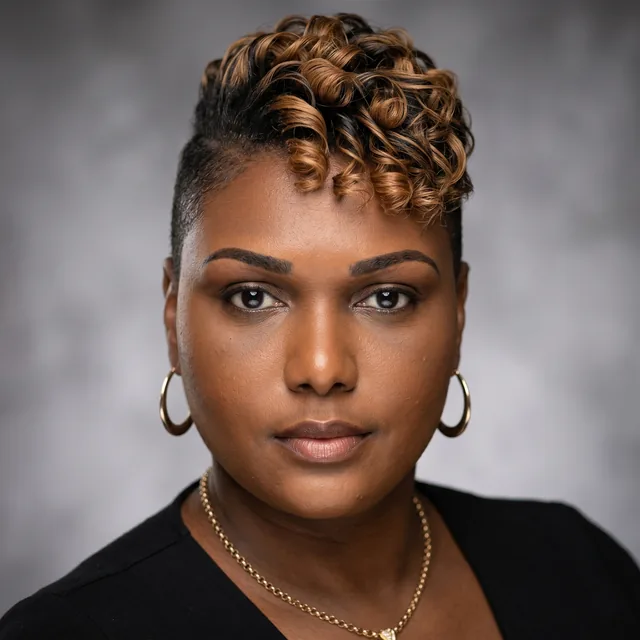
Eleanor Williams, MSW, LCSW, North Carolina's founding licensee
North Carolina is live
Eleanor Williams, MSW, LCSWFounder, Elechris Health and Wellness, PLLC · Founding licensee, North Carolina

North Carolina is open

Meet the therapist behind North Carolina.

Eleanor Williams is a licensed clinical social worker in North Carolina and the founding state licensee of the network. She earned her Master of Social Work from North Carolina Central University and is licensed by the North Carolina Social Work Certification and Licensure Board.

She has spent the last five years in behavioral health, medical social work and acute psychiatric care across North Carolina: home health case management, family-centered therapy, medical case management, and unit clinician work on an inpatient psychiatric floor. In 2025 she founded Elechris Health and Wellness, PLLC, providing individual therapy, crisis assessment, and care coordination for clients with co-occurring medical and psychiatric needs.

As North Carolina's licensee, Eleanor is the therapist in the loop for Casey. She supervises care for clients in the state, owns the practice, and keeps full clinical authority. Casey extends her reach to every day of the week without replacing her judgment. Her campus launch partnership is in development.
LCSWLicensed by the North Carolina Social Work Certification and Licensure Board. Verifiable on the state board registry.
MSWMaster of Social Work. Telehealth available throughout North Carolina.
1 of 50 states open.Founding licensee network
  • AL
  • AK
  • AZ
  • AR
  • CA
  • CO
  • CT
  • DE
  • FL
  • GA
  • HI
  • ID
  • IL
  • IN
  • IA
  • KS
  • KY
  • LA
  • ME
  • MD
  • MA
  • MI
  • MN
  • MS
  • MO
  • MT
  • NE
  • NV
  • NH
  • NJ
  • NM
  • NY
  • NC
  • ND
  • OH
  • OK
  • OR
  • PA
  • RI
  • SC
  • SD
  • TN
  • TX
  • UT
  • VT
  • VA
  • WA
  • WV
  • WI
  • WY
A group of students laughing together outdoors.
The launch marketNorth Carolina campuses

Why North Carolina

  • An underserved campus population with limited access to timely mental health care.
  • Campus counseling wait times in the region mirror the national pattern: weeks to months.
  • Eleanor is local. Her practice is in North Carolina, where the launch market is.

What we are building toward

  • Casey access live for enrolled students at the launch campus through the partnership.
  • A faculty co-PI identified for an IRB-reviewed outcomes study with the Office of Research Compliance.
  • Elechris Health and Wellness, PLLC sustainable on a combination of campus partnership economics, self-pay, and insurance.
  • A repeatable launch playbook that the next state licensee inherits, not invents.

The 50-state licensee architecture

An independent professional practice in every state.

Clinical authority belongs to licensed clinicians. So does the practice. Every state gets its own founding clinician, owning a real entity, holding the clinical relationship with the client, and operating Casey under clinician supervision.

Clinical authority

The clinician owns the practice.

Elechris Health and Wellness, PLLC is a North Carolina professional limited liability company owned by Eleanor Williams. All clinical decisions are hers. All client-clinician relationships are with her practice.

The platform

Clinician Assist provides the platform.

Casey is operated by Clinician Assist Inc. and supervised by the licensed clinician of record. Casey does not practice medicine, does not diagnose, and does not act independently of the clinician.

Territory

Exclusive state territory.

Each founding licensee receives the exclusive operating territory for their state during the network buildout. One practice per state.

Support

CaiT-certified, supervised, and supported.

CaiT certification training. Casey platform access. Clinical escalation infrastructure. Back-office, billing, and compliance support. Investor introductions for state-level practice raises.

Why the architecture matters

Mental health is delivered by licensed clinicians. The Clinician Assist network treats that as the foundation, not a footnote. Every state is served by a real practice owned by a real clinician accountable to a real state board. Casey extends the clinician's reach. The clinician retains clinical authority.

For future licensees

What founding licensees get.

Eleanor is the first. There are forty-nine more states. The terms, the platform, and the support are designed for clinicians who want to lead in their state.

A clinician stands in an office holding a tablet, smiling.
Your practiceYour state

01 /

Founding-licensee terms

Terms reserved for the first clinician in each state. An equity-friendly structure designed in collaboration with healthcare counsel.

02 /

Exclusive state territory

One practice per state during the founding-licensee period. Your practice is the operating entity in your state.

03 /

Casey platform license

Casey, the voice-first AI-native mental health EHR, licensed for use within your supervised practice. Clinician Assist Inc. operates the platform.

04 /

CaiT certification

Comprehensive training on the Clinician AI in Therapy framework. The clinical skill set for supervising care that includes AI.

05 /

Back office and compliance

Billing infrastructure for CMS DMHT codes. Documentation pipeline. SOAP drafting. CRM. Compliance support.

06 /

Investor introductions

Support for raising practice-level capital from healthcare angel networks aligned with your state and population focus.

Are you the founding licensee in your state?

We are looking for licensed clinicians (LCSW, LPC, LMFT, PsyD, PhD) ready to lead the network in their state. One founding licensee per state. Tell us about you.

Reviewed personally. We respond to qualified applicants within five business days.

1 of 50 states open

Forty-nine states still need a founding clinician.

Each founding licensee is a clinician-owned practice, accountable to its own state board, with the exclusive operating territory for its state during the network buildout.

Representing a school or counseling center instead? Talk to us about your campus.

Questions

What students and families ask.

If you are in immediate danger, call or text 988, or call 911.

What happens in a Pulse Check?

Each week, you have a 15-minute live check-in with your licensed therapist. Your therapist has already seen how your week went with Casey, so the time goes to what matters. Pulse Checks help catch concerns early and keep support consistent.

Is Casey my therapist?

No. Casey checks in with you every day. Your therapist is a licensed clinician who supervises your care, reviews what Casey sees, and makes every clinical decision. Casey does not diagnose and does not act on its own.

Is my information private?

Care is delivered by a licensed practice in your state, and your health information is protected under HIPAA. Records are kept on infrastructure operated by Clinician Assist Inc. under a Business Associate Agreement. Your conversations are between you and your care team.

How is this different from other mental health apps?

Casey handles the daily check-ins between sessions, and a licensed therapist supervises the care and reviews what Casey sees. There is always a real clinician in the loop, and a real practice in your state that is accountable for your care.

Can my family see how I am doing?

Only if you say so. With your consent, a family member can see high-level wellbeing trends and whether sessions are happening. They never see what you say to Casey or to your therapist.

How is it paid for?

At partner campuses, care is covered through the campus partnership. For students elsewhere, the practice in your state can explain the options, including a scholarship pathway. Insurance is coming.

For students in North Carolina

Looking for the student-facing practice?

Elechris Health and Wellness, PLLC operates the daily care experience for students at nc.bettermind.space.

Visit nc.bettermind.space (opens in a new tab)