|
. . .
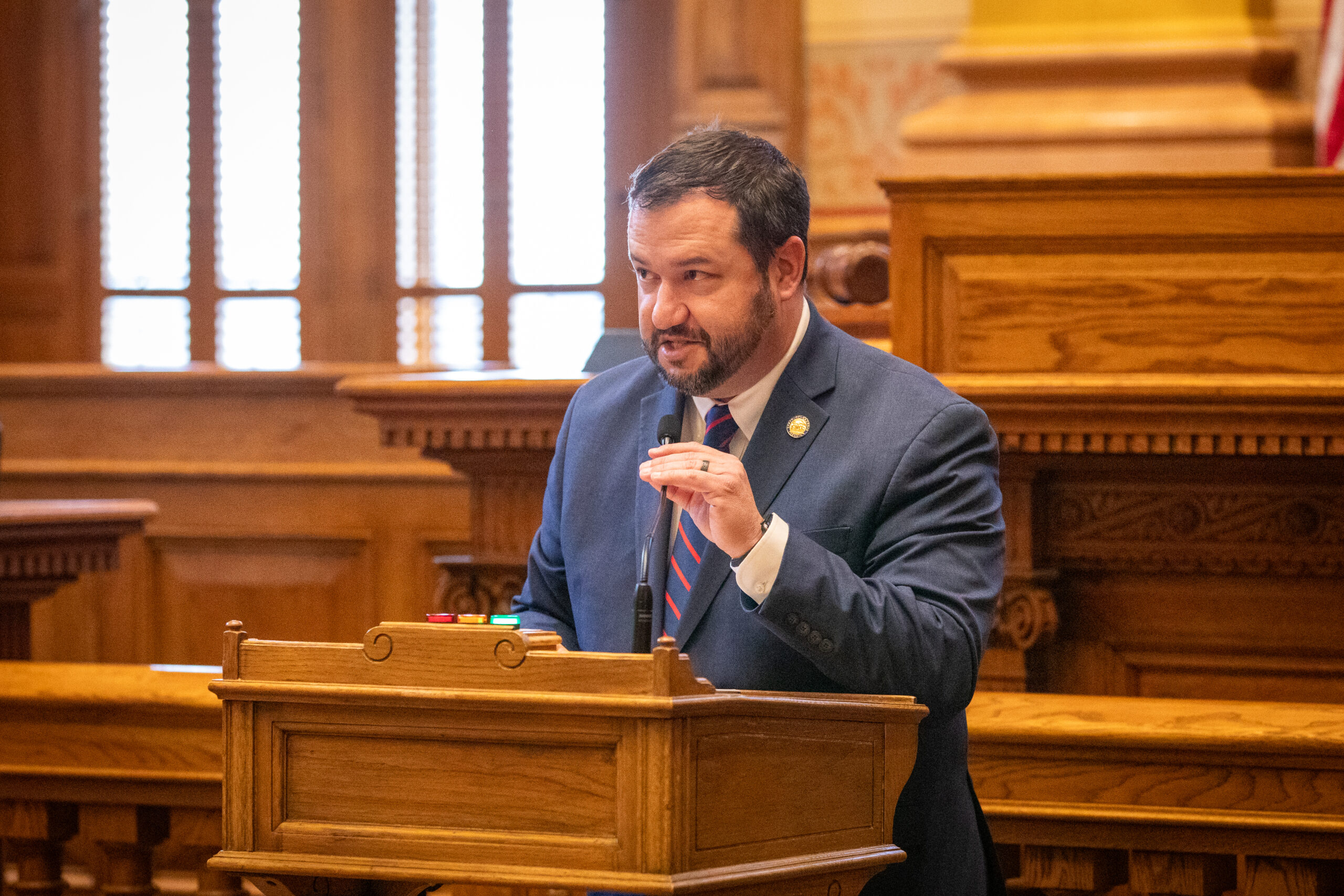
CHAMPION ONE. THE REPUBLICAN. Jason Anavitarte was nineteen years old when he won his first elected seat. He was a college student in Doraville, Georgia at the time, the city he had grown up in, and the seat was a Doraville City Council seat. He won it in 2003. He became the youngest Hispanic elected to any office in Georgia and the youngest mayor pro-tempore in metro Atlanta. The political-class joke about Georgia Republicans being a closed shop did not survive that morning.
|
|
Photo: Photo: Georgia Senate Press Office
|
Twenty-three years later, the same man sits at the front of the chamber as the first Latino Republican to lead the Georgia State Senate. He was elected Senate Majority Leader in June 2025, by his caucus, after four years on the floor. His district is the 31st, Paulding and Polk counties west of Atlanta. He lives in Dallas, Georgia with his wife Jennifer and their three daughters.
The legislative resume is the kind that wins committee chairs in southern Republican statehouses. Constitutional Carry, signed into law by Governor Kemp. School choice. Public safety. Tax cuts. The Senate Majority Leader's job in Georgia is to set the floor calendar and decide what reaches a vote. Anavitarte has been deciding for almost a year now.
In January he put his own name on Senate Bill 540. The bill was filed in the second year of the 2025-2026 legislative biennium. The drafting team had spent the fall working through the comparable bills that had been introduced or signed in other states. They knew exactly what the platforms wanted them to write. They wrote a different bill.
The mechanical text of the bill is short for a statute that does this much work. An operator of a chatbot must, when interacting with a minor, clearly and conspicuously disclose to the minor account holder that he or she is interacting with a conversational AI service as opposed to a natural person. The disclosure must appear at the beginning of every session and at least every three hours during a continuous interaction. The operator must implement age verification and parental controls. The operator must publish a self-harm and suicide response protocol that refers minors to a crisis hotline. The operator must respond to that protocol when a minor expresses suicidal ideation or self-harm intent during an interaction.
The piece of the bill that the platforms most wanted to remove was the one that survived. Most prior state chatbot bills had included an exemption for chatbots embedded in larger platforms. Meta AI inside Instagram. Google Gemini inside Search. Apple Intelligence inside iOS. The argument from the platforms was always the same. The embedded products are different. The disclosure obligations belong on the consumer products, not on us. SB 540 has no such carve-out. Meta AI is covered. Google Gemini is covered. Anything that simulates human conversation when interacting with a minor is covered, no matter where it sits in the platform stack.
The bill passed the Georgia Senate on March 6 by a vote of fifty-four to zero. It cleared the Georgia House on March 25. The Senate concurred in the House version on March 27. It sat on Governor Kemp's desk for six weeks. The constitutional deadline was Tuesday May 12. He signed it on Monday May 11. The effective date is July 1, 2027.
The seven co-sponsors are all Republicans. Senator Carden Summers carried it on the floor in the Senate. The House lead was a small bipartisan working group whose names rotated through committee testimony. The committee record from February and March shows the platform lobbyists arguing for an embedded-services carve-out with concrete proposed amendment language. The committee voted not to accept the amendment. The amendment author was a Republican.
For two and a half years the conventional wisdom in the chatbot-safety beat has been that Republican statehouses would carry the kids-online-safety frame and Democratic statehouses would carry the consumer-protection frame and the two frames would never meet on a single bill. Anavitarte's bill is the place they met. The kids-online-safety language is in the bill text. The no-carve-out doctrine is in the bill text. The same statute that requires age verification also closes the loophole the platforms had been counting on.
The political fact of a Republican Senate majority leader carrying that combination matters. The southern Republican statehouses move on the templates other southern Republican statehouses use. Anavitarte is what other southern Republican leaders read when they read a chatbot bill. He is the template now.
The deeper fact is that he chose this fight. Senate Majority Leaders pick their fights. They control the calendar. They can afford to leave a bill in committee if they want to. Anavitarte put his own name on this one and put it on the floor.
|
For Clinicians: Georgia adolescent clients on Meta AI and Google Gemini are now within the protection scope of a state chatbot statute, effective July 1, 2027. The disclosure requirements, age verification, and self-harm response protocols apply to the embedded chatbots they are most likely to encounter. Adolescent intake conversations should adjust accordingly when Georgia clients describe their AI use.
For Founders: The platform-embedded-chatbot carve-out is dead in Georgia. Plan compliance scope at the conversational-AI-service layer, not the consumer-product layer. The disclosure cadence (session start plus every three hours) and the self-harm response protocol obligation are operational requirements your product needs to satisfy as a product feature, not a settings toggle. The July 1, 2027 effective date is your build window.
For Legislators: SB 540 is the no-carve-out template. The language is clean and the political backing is concrete. A Republican Senate majority leader carried it through a 54-0 Senate vote in a Republican statehouse. The bill can be lifted with minimal modification into Tennessee, Alabama, Kentucky, South Carolina, Mississippi, Texas, and the other southern Republican statehouses that have been waiting for a credible template. The northern Republican statehouses (Iowa, Indiana, Ohio) can use the same language. There is no longer a credible argument that the bill cannot pass in a Republican chamber.
Source:
|
. . .
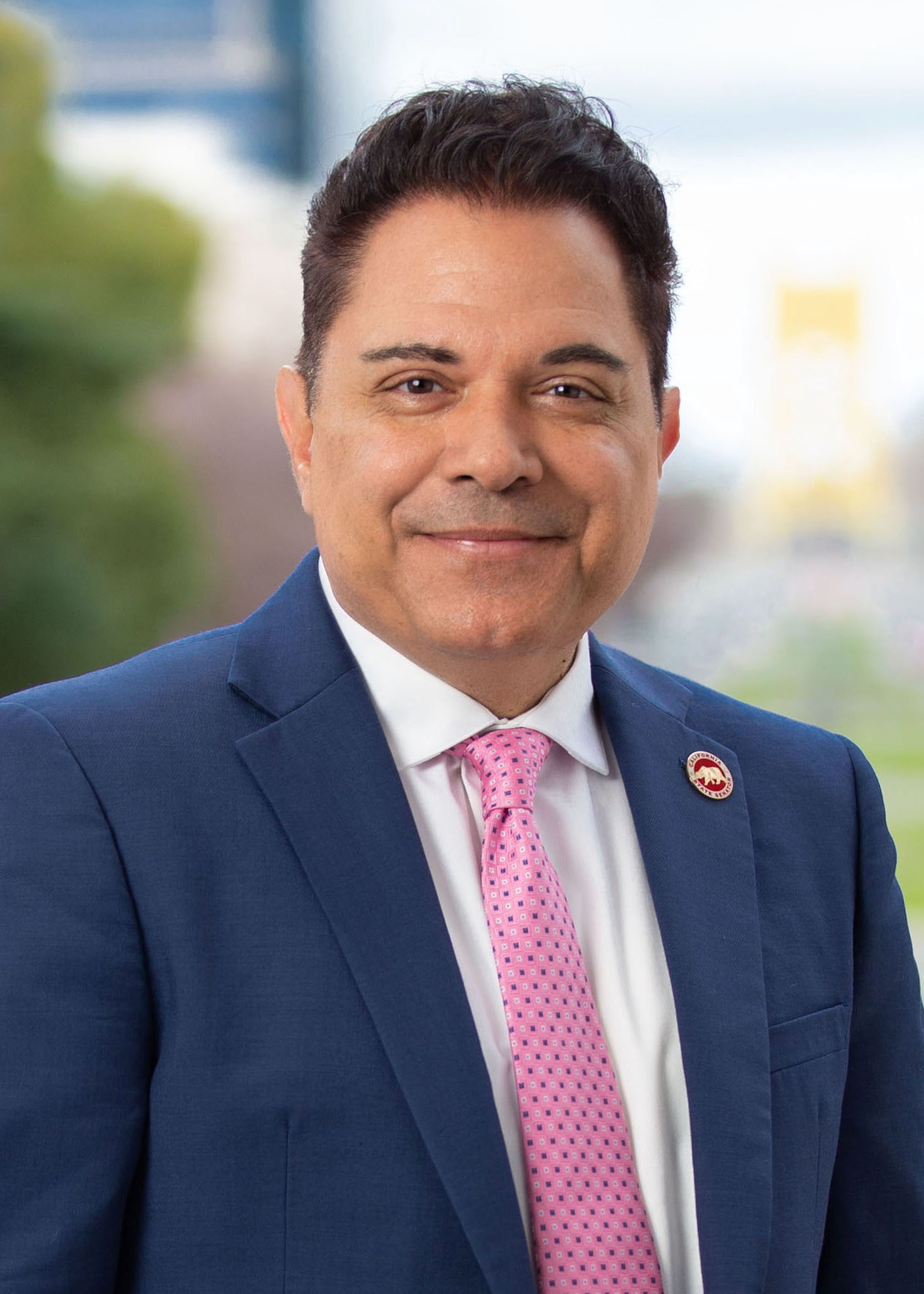
CHAMPION TWO. THE LONG-HAUL AUTHOR. Before Steve Padilla ran for city council, he was a detective. The Chula Vista Police Department hired him out of college. He spent thirteen years in law enforcement in southern San Diego County, ending at the Coronado Police Department. His final assignment, the one his Senate biography lists first when it lists his pre-political work, was the domestic violence and child abuse caseload.
|
|
Photo: Photo: Office of California State Senator Steve Padilla, SD-18
|
He was elected to the Chula Vista City Council in 1994, served two terms, then ran for mayor and won. He was the 38th Mayor of Chula Vista, in office from 2002 to 2006. After his second mayoral term he was appointed by California Assembly Speaker Fabian Núñez to the California Coastal Commission. He served twice on the Commission, the second time as chairman, from 2019 through 2021. He was elected to the California State Senate in 2022. He represents the 18th Senate District, which covers Chula Vista, the Coachella Valley, Imperial Beach, the Imperial Valley, National City, and the southern half of San Diego.
In late 2024 a fifteen-year-old California boy named Adam Raine ended his life. The family alleged that he had been encouraged to do so by ChatGPT, and that he had repeatedly disclosed his intent to the chatbot during the conversations that preceded his death. The court filings in the wrongful-death suit document the conversations.
Padilla read the filings. In early 2025 he wrote a letter to every member of the California State Legislature urging them to pass his Senate Bill 243. He told them that the technology could be a powerful educational and research tool but that left to its own devices the technology industry was incentivized to capture young people's attention and hold it at the expense of their real-world relationships. He told them they could not strive for innovation and forget their responsibility to protect the most vulnerable among them.
The bill passed the California Senate by a vote of thirty-three to three on September 11, 2025. It passed the Assembly the day before by a vote of fifty-nine to one. Governor Newsom signed it on October 13, 2025. The effective date was January 1, 2026. It became the first state-level chatbot safety law signed anywhere. It requires chatbot operators to implement reasonable safeguards around minor interactions. It gives families a private right of action against noncompliant or negligent developers. The bill is sixteen pages.
The Padilla camp did not stop there. On January 5, 2026, three weeks after SB 243 took effect, Padilla introduced Senate Bill 867. The bill prohibits the manufacture, sale, or exchange of any toy that includes a generative AI chatbot when the toy is designed or intended for use in play by children twelve years of age or less. The statute defines the prohibited product class in its findings section. The moratorium runs until January 1, 2031. The purpose of the four-year window is to give researchers and regulators the necessary time to establish robust safety standards for chatbots embedded in products designed for very young children.
The doctrinal shift from SB 243 to SB 867 is the most interesting part of the year's chatbot legislative output. SB 243 was a disclosure regime. The premise was that minors who knew they were interacting with AI rather than a human could be expected to make better decisions about how much weight to give the interaction. SB 867 begins from the opposite premise for the under-twelve population. Children developmentally personify their toys. A chatbot embedded in a teddy bear is, to a four-year-old, the teddy bear talking. Disclosure does not work in that case. The only available intervention is to time-out the product class until the developmental research catches up.
SB 867 was approved by the Senate Committee on Privacy, Digital Tech, and Consumer Protection on April 7. It was sent to Senate Appropriations the same day. It was placed on the suspense file on April 20. It came off suspense on May 14. The suspense file is where bills with fiscal impact go to be vetted by Senate leadership. Most bills that go in never come out. Padilla's came out. It now moves to the Assembly.
The detective work was not coincidental. He spent thirteen years putting the receipts in folders, walking the receipts into the District Attorney's office, watching the District Attorney decide whether the receipts were enough. He understands what an evidentiary record is for. He understands that a statute is a different kind of evidentiary record. The Adam Raine case file is now in the record because Padilla put it there. So is the developmental literature on personification. So is the harm pattern that the disclosure regime cannot reach.
There is no path from his Coronado Police Department badge to a Senate Appropriations suspense survivor that runs in a straight line. There is a path that runs through twenty-three years of public service and four offices. The line is consistent. It is the line he learned to draw in the detective unit.
|
For Clinicians: California's two-year arc is now operational. SB 243 disclosure obligations apply to consumer chatbot platforms for minor users from January 1, 2026 forward. If SB 867 reaches the Governor's desk and is signed, the manufacturing and sale of chatbot-equipped toys for children twelve and under is prohibited until January 1, 2031. Intake for California families with very young children should include questions about chatbot-equipped toys in the home.
For Founders: California's two-year arc is the build planning timeline. The state moves from disclosure (SB 243) to product class moratorium (SB 867) in twelve months. Plan accordingly. Disclosure is necessary but no longer sufficient for products that touch children under twelve. The compliance scope is the product, not the interface.
For Counsel: SB 243 created a private right of action for families against noncompliant chatbot operators effective January 1, 2026. SB 867, if signed, layers a product-class manufacturing prohibition for the under-twelve segment. The stacking pattern is the most consequential plaintiffs' strategy development in the chatbot beat this year. Liability theory under both statutes runs through the disclosure failure under SB 243 and the moratorium violation under SB 867. Expect cases that allege both within the same complaint.
Source:
|
. . .
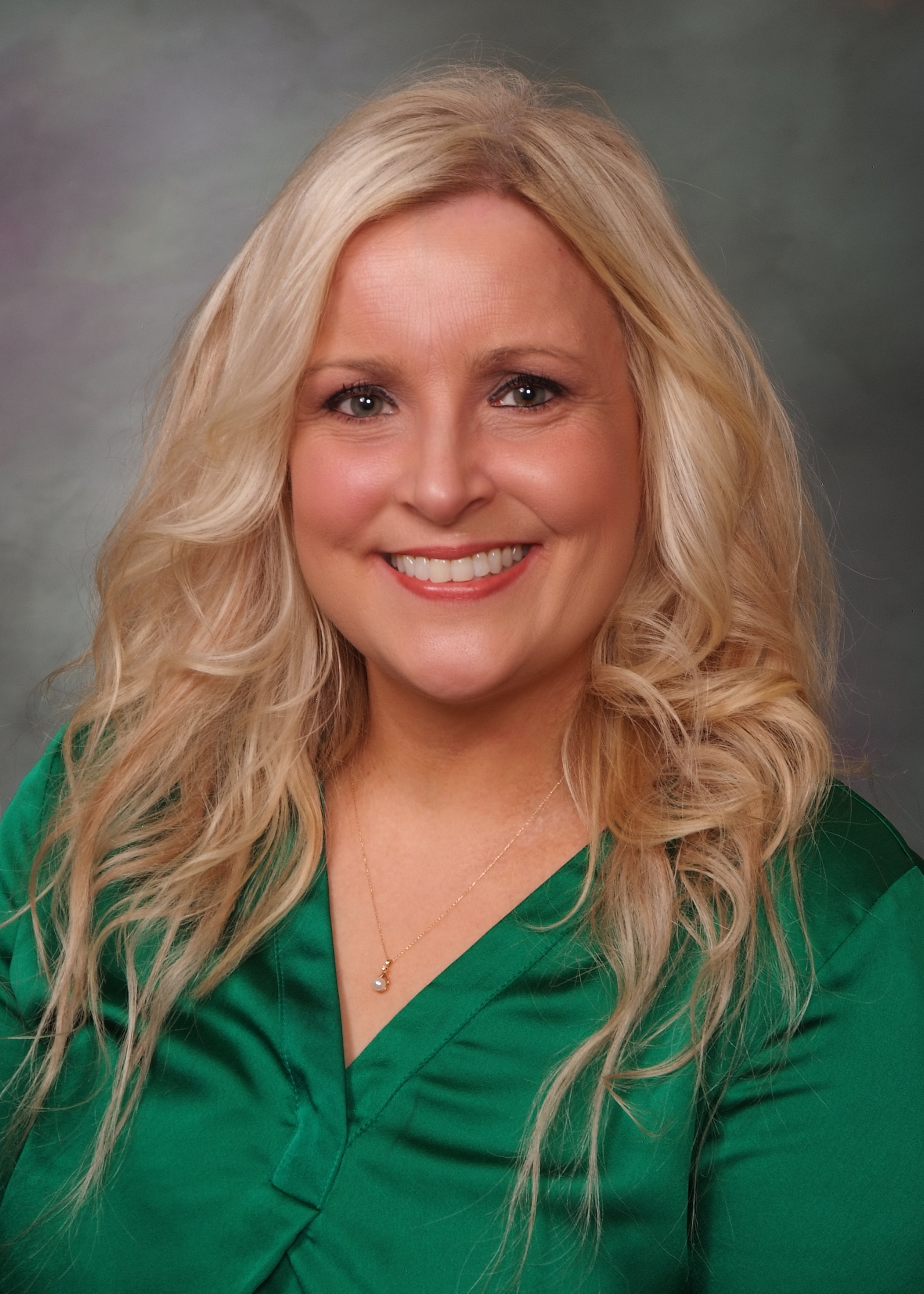
CHAMPION THREE. THE CLINICAL LINE. Gretchen Rydin was a licensed clinical social worker and a licensed addictions counselor before she was a state representative. She practiced in the field for years. She watched the AI tools enter her practice and the practices around hers in real time. She knew exactly which tools helped and which tools harmed before she ever filed a bill.
|
|
Photo: Photo: Colorado General Assembly
|
She earned her bachelor's degree from Brigham Young University in 2006 and her graduate degree from Howard University in 2018. She holds the Licensed Clinical Social Worker credential and the Licensed Addiction Counselor credential. She practiced as a social worker, a therapist, and an addictions counselor. She joined the Littleton City Council as an at-large member in 2021 and served on the council until 2024.
During her three years on the council she restored funding to the Littleton Immigrant Resource Center, helped pass an inclusive housing ordinance, and secured funding for diversity, equity, and inclusion training in the city government. In 2024 she ran for the open Colorado House District 38 seat representing Littleton and surrounding Arapahoe County communities. She won. She is in her first term.
She filed House Bill 26-1195 in the second month of that first term. The bill is titled Psychotherapy Artificial Intelligence Restrictions. The Senate prime sponsor is Senator Kyle Mullica, a Democrat from Adams County and an emergency room nurse. The House co-sponsors are Representative Judy Amabile of Boulder, Representative Javier Mabrey, and Representative Kyle Mullica (now Senator). The bill is short, focused, and written in the language of someone who has held both sides of the keyboard.
The mechanical text. A regulated mental health professional in Colorado may use an artificial intelligence system to assist in providing administrative support or supplementary support for psychotherapy services if the regulated professional maintains full responsibility for all interactions, outputs, and data use associated with the system. The system may not engage in therapeutic communications with a client without real-time professional oversight. The system may not generate therapeutic recommendations or treatment plans. If a client's therapeutic session will be recorded or transcribed through the use of an artificial intelligence system, the regulated professional must obtain written, informed consent from the client or the client's representative.
The bill draws the line that the clinical field has been arguing for since at least the November 2024 American Psychological Association Health Advisory on Generative AI Chatbots. It is the line Doctor Vaile Wright walked into the Federal Trade Commission with in February 2025. It is the line the American Medical Association wrote into its letter to Congress in April 2026. The line is consistent across the documents. The regulated professional owns the clinical decision. The artificial intelligence does the work the regulated professional designates and only that work. The licensing board is the enforcement mechanism. Consent is real.
Rydin took that line and wrote it into statute. The Colorado House passed HB 1195 unanimously. The Colorado Senate passed it on bipartisan lines. The bill cleared the General Assembly at midnight on Wednesday May 13, the night Colorado's session adjourned sine die. Governor Polis told the Colorado Public Radio newsroom this week that he intends to sign the omnibus AI bill that passed alongside it. The signature on HB 1195 is expected to follow on the same desk-clearing pass.
The professional biography is the part of the bill that the platforms cannot answer. The licensed clinical social worker who walks into the statehouse, in her first term, with a bill that draws the line between her profession and a software vendor's product, is unanswerable in committee. The lobby's standard response to mental-health-AI restrictions has been to argue that the regulators do not understand the technology. Rydin understands the technology. She also understands the clinical relationship the technology is allowed to assist and not replace. The argument that she did not know what she was writing does not survive her CV.
She is the third licensed clinician to walk into a state capitol in twelve months with a bill of this shape. The first was a pediatrician in Oregon. The second was an emergency room nurse in Colorado, the one who carried this bill on the Senate side. The third is the social worker who carried it on the House side. The pattern is now established. The clinical credentials are the entry credential to chatbot-policy authorship.
The doctrine Rydin wrote into HB 1195 is the same doctrine the supervised clinical-AI field has been arguing for in white papers and journal articles since 2023. The clinical decision belongs to the licensed professional. The technology assists. It does not replace. The license board enforces. The consent is documented. Every word of that doctrine is now in pending Colorado statute. The next state to consider mental-health-AI restrictions will read this bill before drafting its own.
The carry line. A licensed clinical social worker walked into the Colorado statehouse, in her first term as a representative, and wrote into a bill the line her profession has been drawing in the sand for two years. Now it is on Governor Polis's desk.
|
For Clinicians: HB 1195 codifies what every state psychology, social work, counseling, and marriage-and-family-therapy licensing board has been saying since the November 2024 APA Health Advisory. The line is now in statute. The licensing board has explicit statutory authority to enforce against a clinician who allows an artificial intelligence system to engage in therapeutic communications without real-time professional oversight. The consent requirement for AI session recording is the operational change to make in Monday's intake paperwork. The professional retains responsibility for all outputs and data use.
For Founders: The administrative support and supplementary support carve-outs in HB 1195 are the operational space for supervised clinical-AI products in Colorado. The therapeutic-communications prohibition is the bright line. Building product features that cross the bright line will draw licensing-board action against the clinician using the product, which will draw vendor liability under standard professional-services agreement terms. Build accordingly. Document the boundary in your product documentation. Make the consent collection workflow easy.
For Public Health: Colorado has the first state-level psychotherapy-AI restriction with a clinician-owned-decision architecture. Other states will follow. The bipartisan vote tally and the first-term-clinician carry profile make this a portable template. State health departments that want to surface guidance on AI use in clinical mental health practice now have a statutory baseline to point at.
Source:
|
|