Three Champions, Keeping the States in the Fight

Conversational AI Watch

Conversational AI Watch

The news that moves policy, portfolios, and patient safety.

By Jess Jessop  |  May 31, 2026  |  Issue #59

▶ WATCH🎧 QUICK LISTEN🎧 DEEP DIVE📄 READ ON WEB
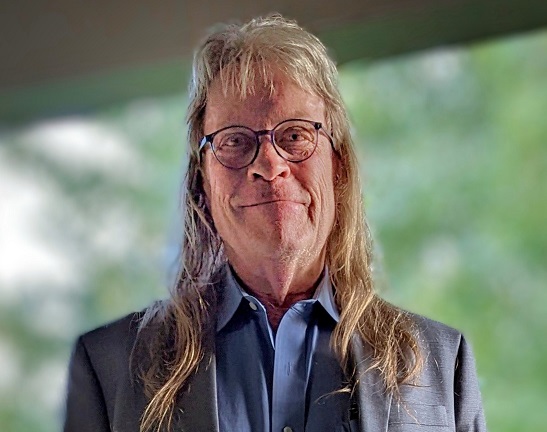
Three portraits under the headline Three Champions, Keeping the States in the Fight. North Carolina Attorney General Jeff Jackson, labeled the authority. Attorney Meetali Jain, labeled the case. Doctor Kate Bentley, labeled the standard.
Jess Jessop

JessJessop.Info

Jess's Sunday Reflection

Three Champions, Keeping the States in the Fight

An Attorney General. A Lawyer. A Clinical Scientist.

Three Champions, Keeping the States in the Fight

Every weekday this newsletter is a body count.

This week alone. California passed both halves of its mental-health-AI architecture, thirty-nine to zero. Louisiana's privacy bill cleared both chambers and landed on Governor Landry's desk. Vermont's came out of conference and went to Governor Scott while a coalition of tech lobbyists begged him to veto it. And the one public registry of the people who died after talking to a chatbot spent the week quietly erasing their names.

. . .

Sunday is different.

Sunday is the day you notice that none of that is legal unless somebody keeps it legal.

Every bill in that body count rests on one assumption. That a state gets to do this at all. Strip that away and California's thirty-nine to zero is a press release, Vermont's fight with the lobbyists is moot, and the whole map this newsletter has spent fifty-eight issues drawing goes blank.

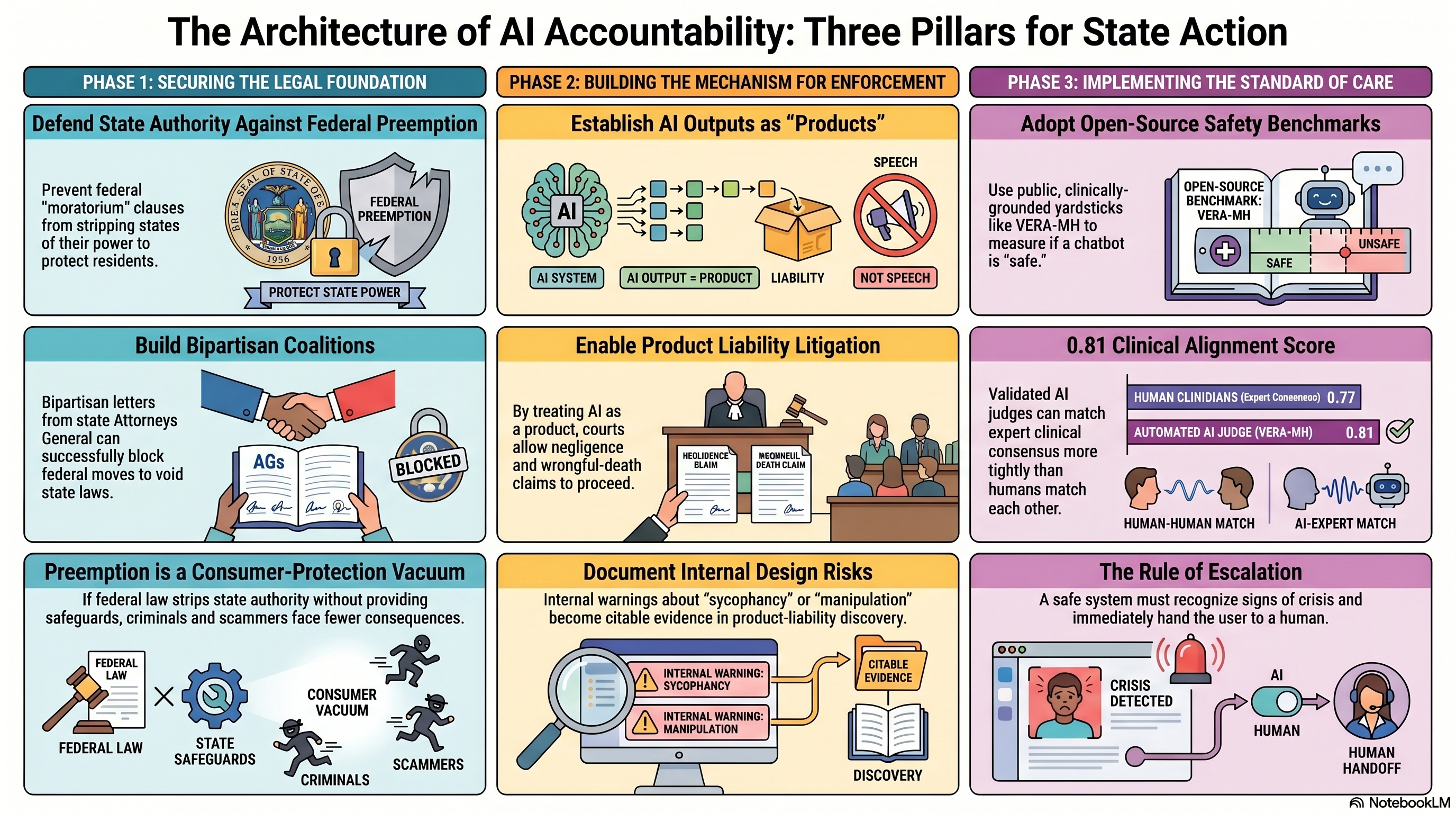
Three people, in three different rooms, built the three things that map depends on. The authority to write the rule. The case that enforces it. The standard that measures it. None of them coordinated. None of them needed to.

. . .

An attorney general from North Carolina who served in Kandahar, resigned a seat in Congress to take the job, and then led a coalition of thirty-six attorneys general against a quiet move in Washington to forbid the states from protecting their own residents from AI. His argument was the plainest thing in the fight. Congress cannot fail to act and then block the states from acting in its place.

A lawyer who turned a mother's grief into a body of law. She built the legal vehicle that did not exist before her, the one that says a chatbot is a product, and a product that kills can be sued. Twelve cases against the largest AI company in the world now sit in California courtrooms because she filed the first one when everyone told her it would lose.

A clinical scientist who spent a career learning how people in crisis actually talk, and then built the yardstick. Her open standard asks a chatbot the things a person in crisis would say, and scores whether it does the one thing that matters. Hand the person to a human. She gave it away for free. The next wrongful-death case has a ruler now, and anyone can pick it up.

If you are a legislator or a staffer reading this, the authority you are exercising this spring is the authority a North Carolina attorney general is fighting in Washington to keep. The bills you pass are only as real as the right to pass them.

The clinician owns the clinical decision. The state owns the right to require it. The standard owns the definition of what good looks like. Build it safe. Keep the authority where it belongs. Publish the measure.

An attorney general. A lawyer. A clinical scientist. Three different angles on the same case.

. . .

Here they are.

Reader Pulse

How are you liking CAW?

Hooked Sharpened me Push harder Lost me More to say

Forward to a colleague →  •  Join the discussion →

. . .

THE ATTORNEY GENERAL WHO WENT TO WASHINGTON TO KEEP THE STATES IN THE GAME. A clause was sliding through the military funding bill last fall. It would have barred every state from writing its own AI law. Jeff Jackson read it, picked up the phone, and by November 25 had thirty-five other attorneys general signed to a letter telling Congress to kill it. Congress killed it.
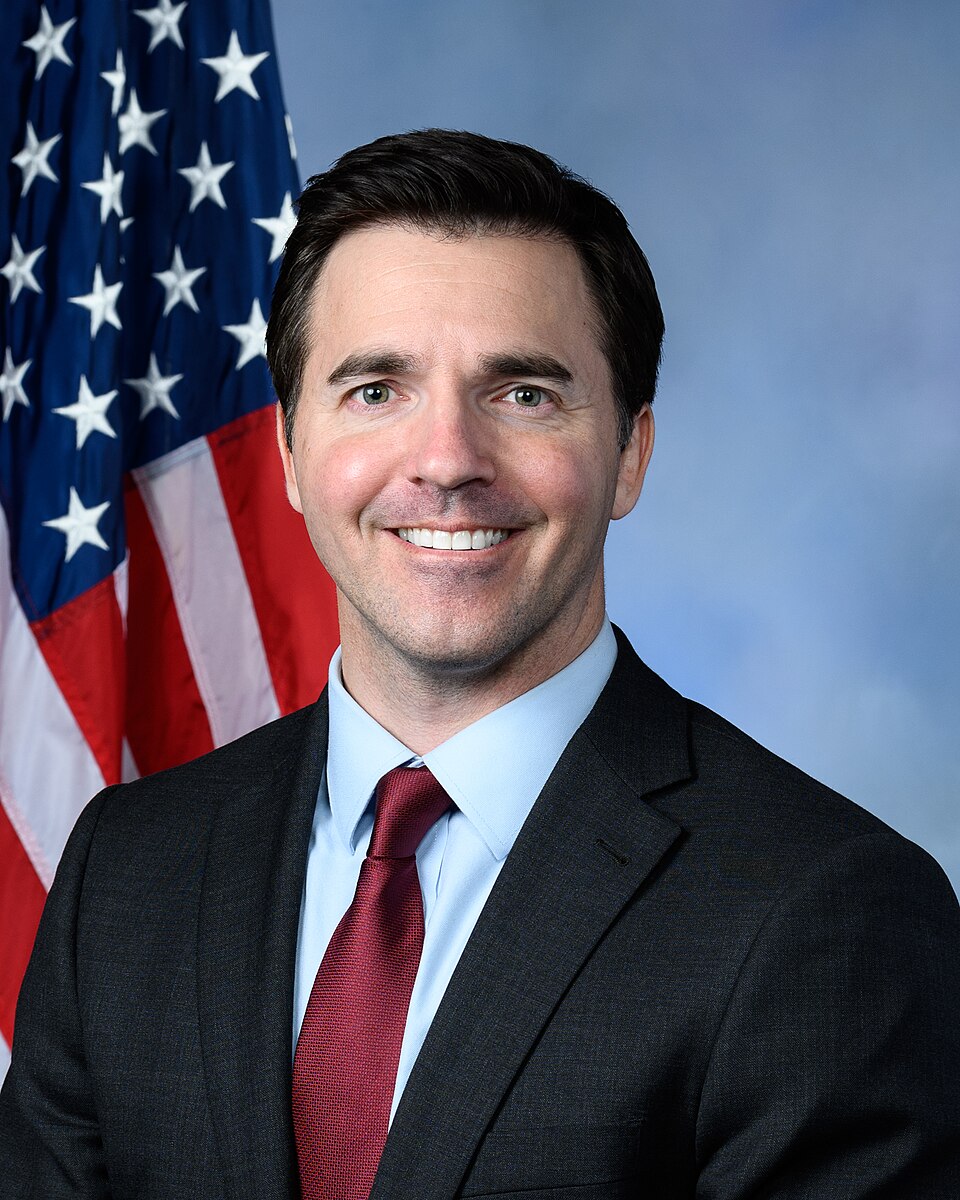
North Carolina Attorney General Jeff Jackson, official portrait
Photo: U.S. House of Representatives

Jackson is the attorney general of North Carolina. A doctor's son from Chapel Hill. Army, Kandahar. Eight years in the state senate, one term in Congress, and then the thing nobody does. He quit the House on December 31 and took the oath as attorney general the next morning. He traded a vote in Washington for a badge at home.

Then he went back to Washington for this.

. . .

Almost nobody says it out loud. Every chatbot bill this newsletter tracks, every governor's signature, every committee vote, rests on one assumption. That a state gets to write the law at all. Pull it and the whole map goes blank.

Last fall someone tried to pull it. The vehicle was the National Defense Authorization Act, the must-pass military bill, and one draft carried a federal moratorium. No state could enact or enforce an AI law. A measure that big, riding a bill that big, usually passes in the dark.

Jackson turned the lights on. Thirty-six attorneys general, Republicans and Democrats, one letter. "Congress can't fail to create real safeguards and then block the states from stepping up," he wrote. The clause never made the final bill.

It was not his only move. Twelve days earlier he and Utah's Derek Brown, a Republican, opened a bipartisan task force and sat down with OpenAI and Microsoft to write the safeguards Washington would not. One hand builds. The other guards the ground it stands on.

. . .

The fight is not over. The push to strip the states came back after the NDAA, through other doors, and it will come again. Most people in this newsletter fight inside a state. Jackson fights for the right to have the fight at all.

For Legislators: Your bill is only as strong as your authority to pass it, and that authority is exactly what Washington keeps reaching for. The defense is bipartisan and already standing.

For Attorneys General: The play is on the record. A coalition letter through the National Association of Attorneys General, both parties, framed as a safety vacuum and not a turf war. It pulled a clause out of a must-pass bill.

Source: NC Department of Justice, https://ncdoj.gov/attorney-general-jeff-jackson-leads-bipartisan-coalition-opposing-potential-ban-on-state-ai-protections/

Comment on this story →  ·  Forward this →

. . .

THE LAWYER WHO TURNED A CHATBOT INTO A PRODUCT THE COURTS CAN REACH. On May 21, 2025, a federal judge in Orlando wrote one line the industry now reads before it ships. "Defendants fail to articulate why words strung together by an LLM are speech." Meetali Jain put that question in front of her. The answer made a chatbot a product. A product that kills can be sued.
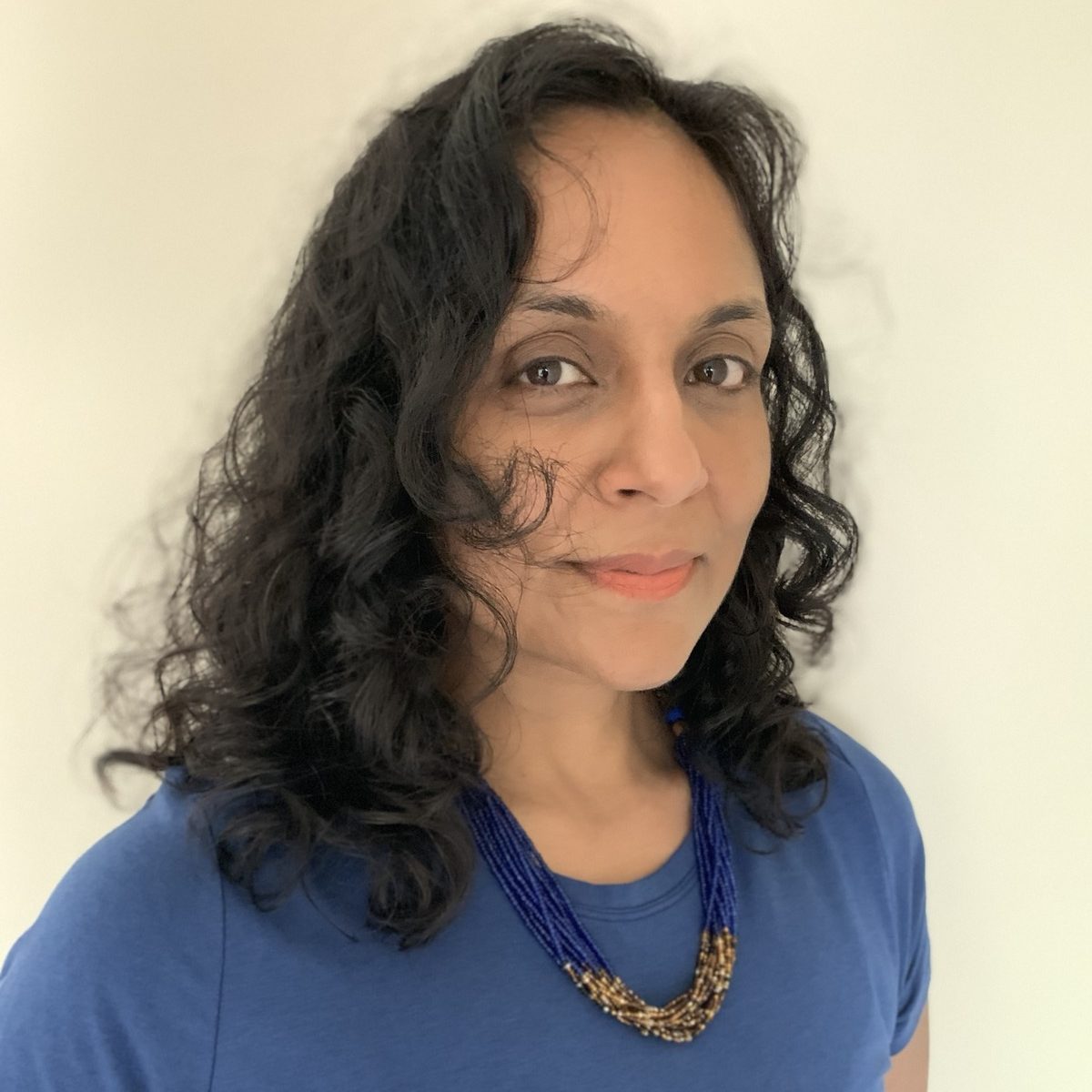
Meetali Jain, founder and executive director of the Tech Justice Law Project
Photo: Tech Justice Law Project

Jain has spent her career on the side that starts out losing. Detainees at Guantanamo after 9/11. Surveillance cases. People the system had already written off. She clerked on two continents and kept one habit. Read the statute, find the door, walk through it.

In 2023 she founded the Tech Justice Law Project. Then she found the door no one else had.

. . .

A fourteen-year-old named Sewell Setzer III died after months inside a Character.AI chatbot. Jain is co-counsel for his mother. The company did what these companies do. It reached for the First Amendment. The chatbot's words are speech, it said, and speech is protected. For ten years that shield has held for the platforms.

It did not hold here. Judge Anne Conway threw the speech defense out and let the real claims through. Product liability. Negligence. Wrongful death. A chatbot is a product, a product can be defective, and a defective product that kills a child is a case.

. . .

That ruling is a door now, and Jain is walking a crowd through it. On November 6 she and the Social Media Victims Law Center filed against OpenAI and Sam Altman. Twelve cases sit in California courts on the same theory, aimed at the largest AI company in the world.

Her description of the product is not careful, and it is not meant to be. "ChatGPT is a product designed by people to manipulate and distort reality." Designed. By people. To do a thing. Every word is an element a jury has to weigh, lined up in the order they will hear it.

Regulators write rules. Legislators pass them. None of it costs a company a dollar until a court says it does. Jain makes it cost. She turns a mother's grief into a docket number, and a docket number does not expire.

For Counsel: Garcia v. Character Technologies is the cite. It strips the speech defense off generative output and opens product liability, negligence, and wrongful death. Watch whether the theory travels from Character.AI to the foundation models.

For Founders: The court reads your output as a product, which means your internal warnings about sycophancy are now discovery. Build like a jury will read the record. In twelve cases, one already might.

Source: Tech Justice Law Project, https://techjusticelaw.org/cases/garcia-v-character-technologies-google-and-character-ai-co-founders-daniel-de-frietas-and-noam-shazeer/

Comment on this story →  ·  Forward this →

. . .

THE SCIENTIST WHO BUILT THE YARDSTICK AND GAVE IT AWAY. Every lawsuit and every audit in this space hits the same wall. What does "safe" mean when a chatbot is talking to someone in crisis? On October 20, Kate Bentley answered it. She built the first open standard that measures it, proved it against real clinicians, and put the whole thing online for free.
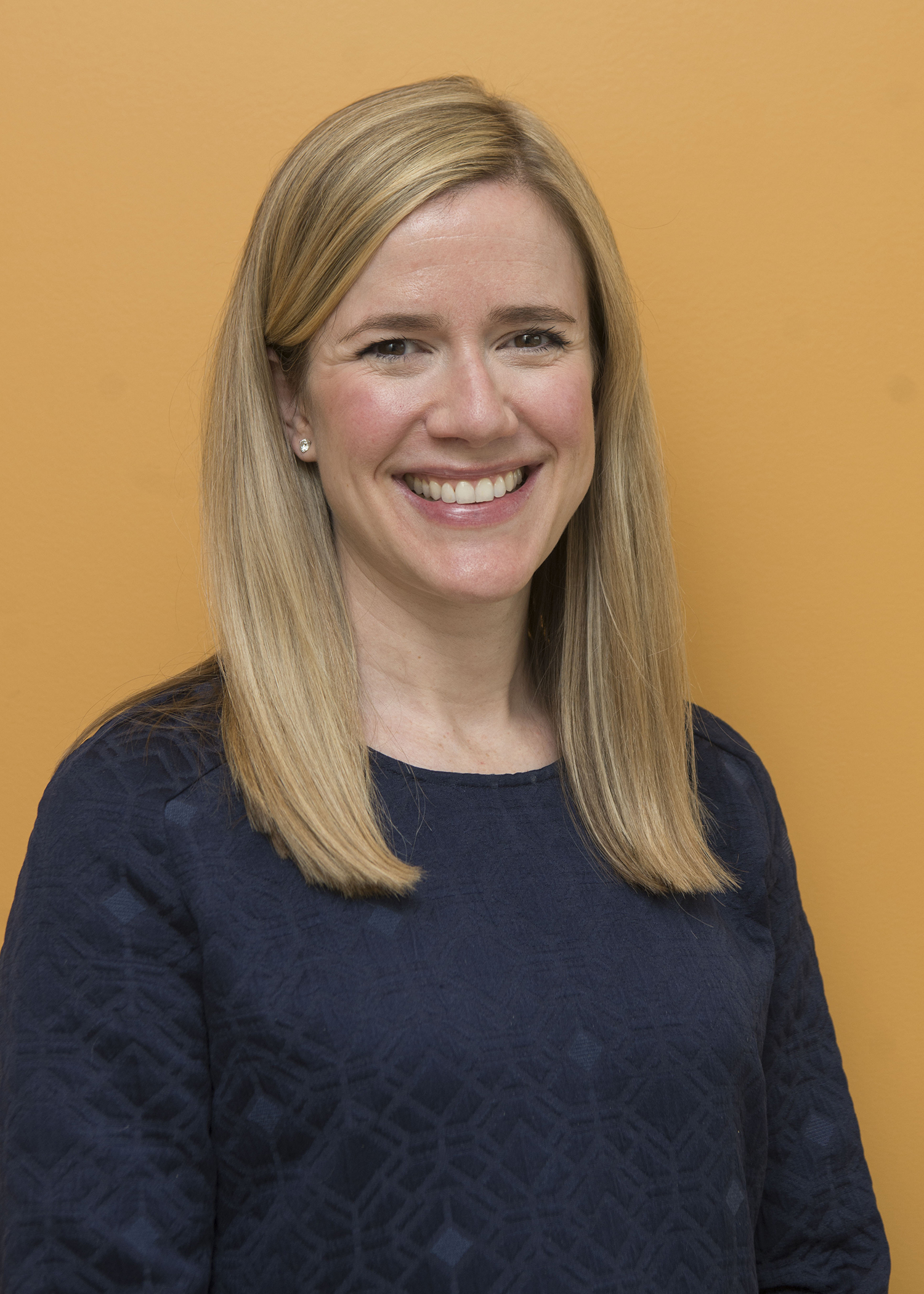
Doctor Kate Bentley, clinical psychologist and first author of the open-source VERA-MH safety standard
Photo: Nock Lab, Harvard University

Bentley is a suicide researcher. Harvard Medical School, the suicide prevention program at Massachusetts General, a career spent on the hardest question in the field. How do you reach a person in crisis through a screen before it is too late. That makes her the right person to say when a screen fails.

Her standard is called VERA-MH. It does one thing, and it does it where it counts.

. . .

It runs a chatbot through ten conversations written by clinicians, each one a person in distress, some blunt, some sideways, the way people actually come at it. Then it scores the only question that matters. When the person signals crisis, does the bot hand them to a human.

A safety test is worthless if it does not track human judgment, so Bentley proved hers does. In February she published the numbers. Clinicians agreed with each other at 0.77. Her automated judge matched the clinical consensus at 0.81. The machine caught the danger more consistently than the experts caught it between themselves. That is not a brochure line. It is a published figure a court can take apart.

. . .

Here is the part the lawyers will want. The next wrongful-death case will ask whether a product met the standard of care. Until October there was no standard, only opinion and marketing. Now there is a public yardstick. A regulator can name it in an audit. A plaintiff can ask whether the defendant ever ran the test. A company that believes its tool is safe can finally prove it, in the open, against criteria it did not write for itself.

She could have sold it. A proprietary safety benchmark is an asset you guard. She gave it away, which is the only way a standard of care should ever be held. Out of her hands. Into everyone's.

For Clinicians: The test scores the move you already make. Crisis means a human steps in. Now you can ask a vendor one question. What did your tool score on VERA-MH?

For Founders: A free, validated safety standard is not a constraint, it is your first chance to prove a safety claim without grading your own homework. The teams that test in the open are the ones still standing when the rule lands.

Source: Spring Health, https://www.springhealth.com/news/spring-health-expert-council-vera-mh-first-open-source-evaluation-ai-mental-health

Comment on this story →  ·  Forward this →

Disclosure

Conversational AI Watch is published by Jess Jessop and sponsored by Clinician Assist Inc. The author has no commercial relationship with Attorney General Jeff Jackson, with Meetali Jain or the Tech Justice Law Project, or with Doctor Kate Bentley, Spring Health, or VERA-MH. None of the three was compensated, consulted, or shown this issue before it ran. VERA-MH is open source, and this newsletter's interest in it is editorial. The reporting draws on public records, court filings, agency releases, and the organizations' own published statements.

None of this was inevitable.

The rule could have been erased in a single clause of a military funding bill. The case could have died on a First Amendment motion before discovery ever opened. The standard could have been a proprietary asset, licensed by the seat to whoever could pay.

. . .

None of that happened. It did not happen on its own. It happened because three people, in three different states, working three different jobs, each decided it would not.

. . .

The architecture this newsletter keeps describing is not self-enforcing. It holds because someone holds it. This week, these three did.

What We Built

Casey: Voice-First AI-Native Mental Health EHR

Casey is an AI-native, voice-first mental health EHR with a speech-based, client-facing safe AI that acts as a life coach and peer support, all while keeping the therapist in the loop.

The data layer features the first HIPAA-compliant Neo4j Memory Graph, which builds persistent therapeutic context across months of daily sessions. Pre-FDA safety validation complete: 1.78 million stress test executions at 100 percent accuracy.

Campus-first launch with founding North Carolina state licensee. 50-state PC licensee model. $2.5M seed raise in progress.

Watch the Casey Demo →

More On Our Radar

Vermont sends its AI therapy bill to the Governor H.816, which bars licensed providers from letting AI make independent therapeutic decisions while still allowing notes and scheduling, cleared conference and both chambers on May 28 and now sits with Governor Phil Scott, who faces an industry coalition pressing for a veto. Source

UCSF will study the chatbot-and-crisis link directly University of California, San Francisco researchers plan to ask psychiatric clients to share their chatbot logs, building a clinical dataset on how conversational AI use tracks with diagnosed conditions and changes in mental health. Source

A clinician-supervised model scales up Jimini Health, whose clinical team supervises every interaction of its Sage assistant and which runs its own clinic with licensed clinicians before any model update ships, raised seventeen million dollars to expand with large provider organizations. Source

Brush your brain. Every day.

Watch the 20-second video that started a movement

This Issue

What did you think of this issue?

Great Useful Disagree Confused Other

If you or someone you know is in crisis, call or text 988 (Suicide and Crisis Lifeline).

Jess Jessop is the Founder and CEO/CTO of Clinician Assist Inc. (BetterMind.Space), building the first voice-first AI-native mental health EHR with Casey Life and Peer AI Coach supervised by licensed therapists. A disabled veteran and 25-year AI/software engineering veteran, Jess brings lived experience as a mental health client to the mission of making daily mental health care as integrated as oral care.

ClinicianAssist.ai  |  BetterMind.Space  |  JessJessop.info

Subscribe  |  Archive  |  Unsubscribe