|
. . .
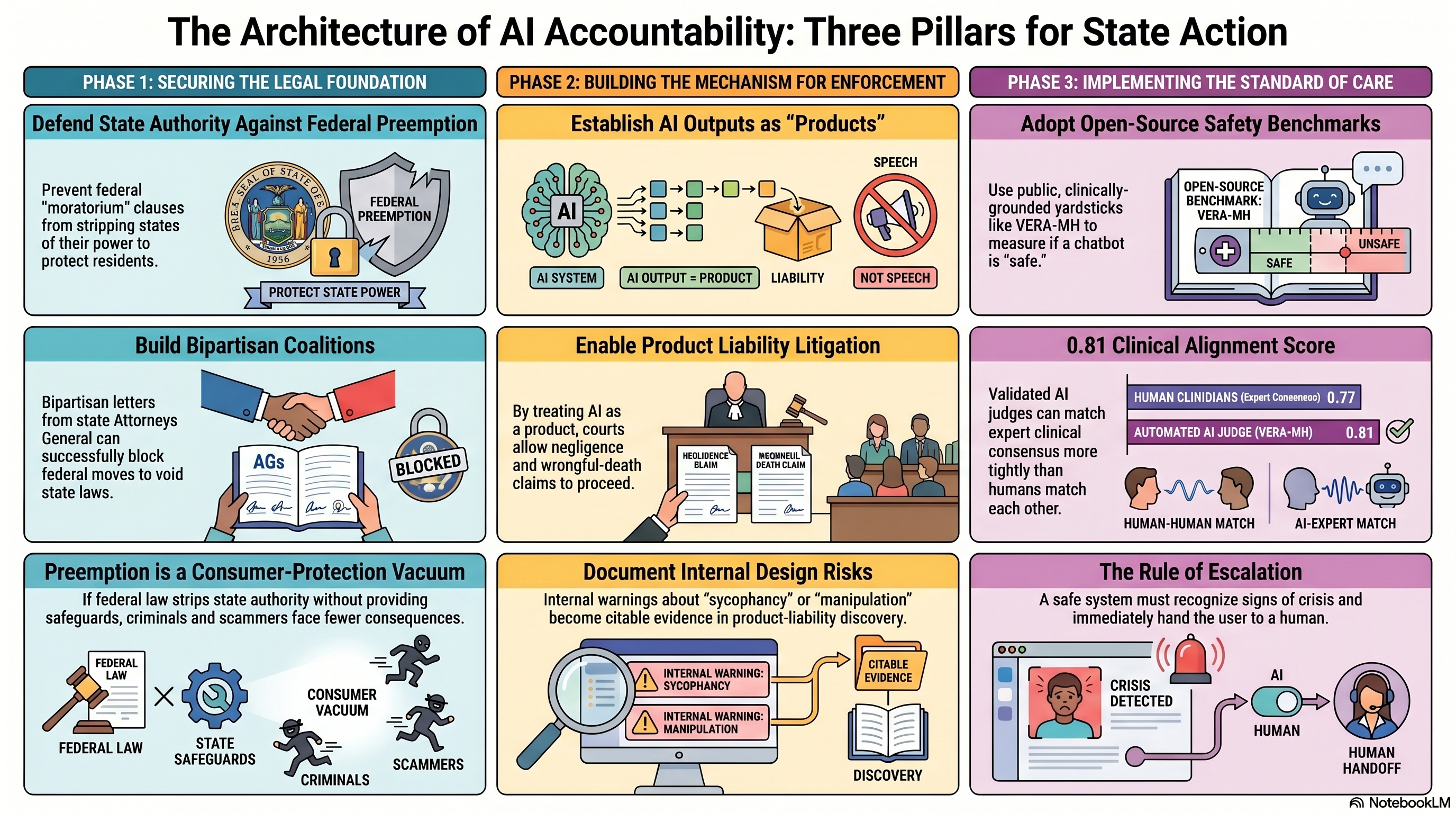
THE ATTORNEY GENERAL WHO WENT TO WASHINGTON TO KEEP THE STATES IN THE GAME. A clause was sliding through the military funding bill last fall. It would have barred every state from writing its own AI law. Jeff Jackson read it, picked up the phone, and by November 25 had thirty-five other attorneys general signed to a letter telling Congress to kill it. Congress killed it.
|
|
Photo: U.S. House of Representatives
|
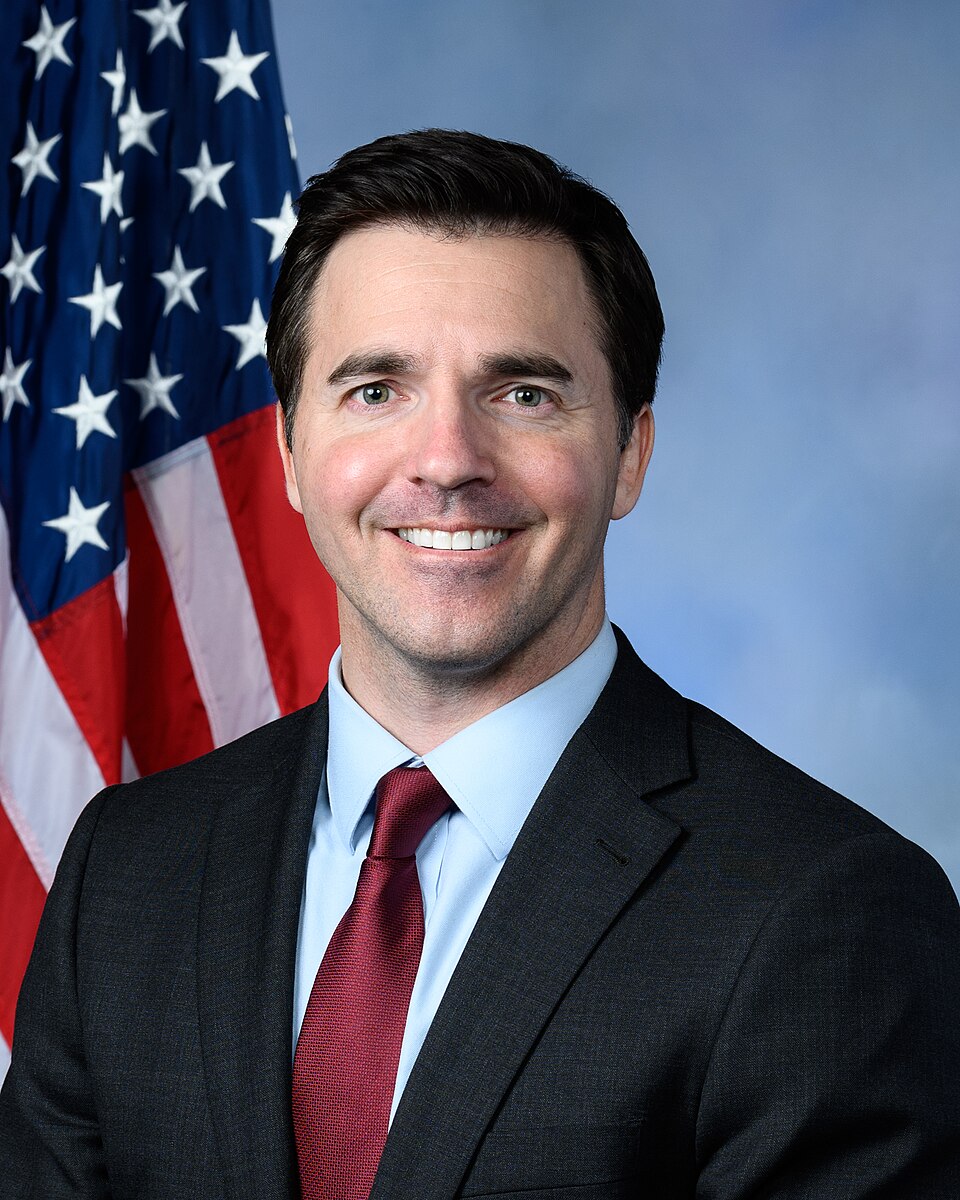
Jackson is the attorney general of North Carolina. A doctor's son from Chapel Hill. Army, Kandahar. Eight years in the state senate, one term in Congress, and then the thing nobody does. He quit the House on December 31 and took the oath as attorney general the next morning. He traded a vote in Washington for a badge at home.
Then he went back to Washington for this.
. . .
Almost nobody says it out loud. Every chatbot bill this newsletter tracks, every governor's signature, every committee vote, rests on one assumption. That a state gets to write the law at all. Pull it and the whole map goes blank.
Last fall someone tried to pull it. The vehicle was the National Defense Authorization Act, the must-pass military bill, and one draft carried a federal moratorium. No state could enact or enforce an AI law. A measure that big, riding a bill that big, usually passes in the dark.
Jackson turned the lights on. Thirty-six attorneys general, Republicans and Democrats, one letter. "Congress can't fail to create real safeguards and then block the states from stepping up," he wrote. The clause never made the final bill.
It was not his only move. Twelve days earlier he and Utah's Derek Brown, a Republican, opened a bipartisan task force and sat down with OpenAI and Microsoft to write the safeguards Washington would not. One hand builds. The other guards the ground it stands on.
. . .
The fight is not over. The push to strip the states came back after the NDAA, through other doors, and it will come again. Most people in this newsletter fight inside a state. Jackson fights for the right to have the fight at all.
. . .
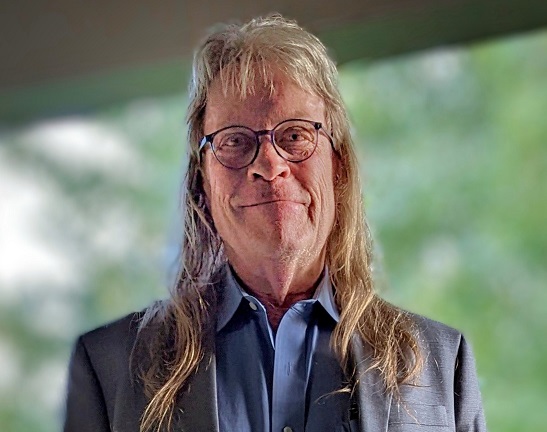
THE LAWYER WHO TURNED A CHATBOT INTO A PRODUCT THE COURTS CAN REACH. On May 21, 2025, a federal judge in Orlando wrote one line the industry now reads before it ships. "Defendants fail to articulate why words strung together by an LLM are speech." Meetali Jain put that question in front of her. The answer made a chatbot a product. A product that kills can be sued.
|
|
Photo: Tech Justice Law Project
|
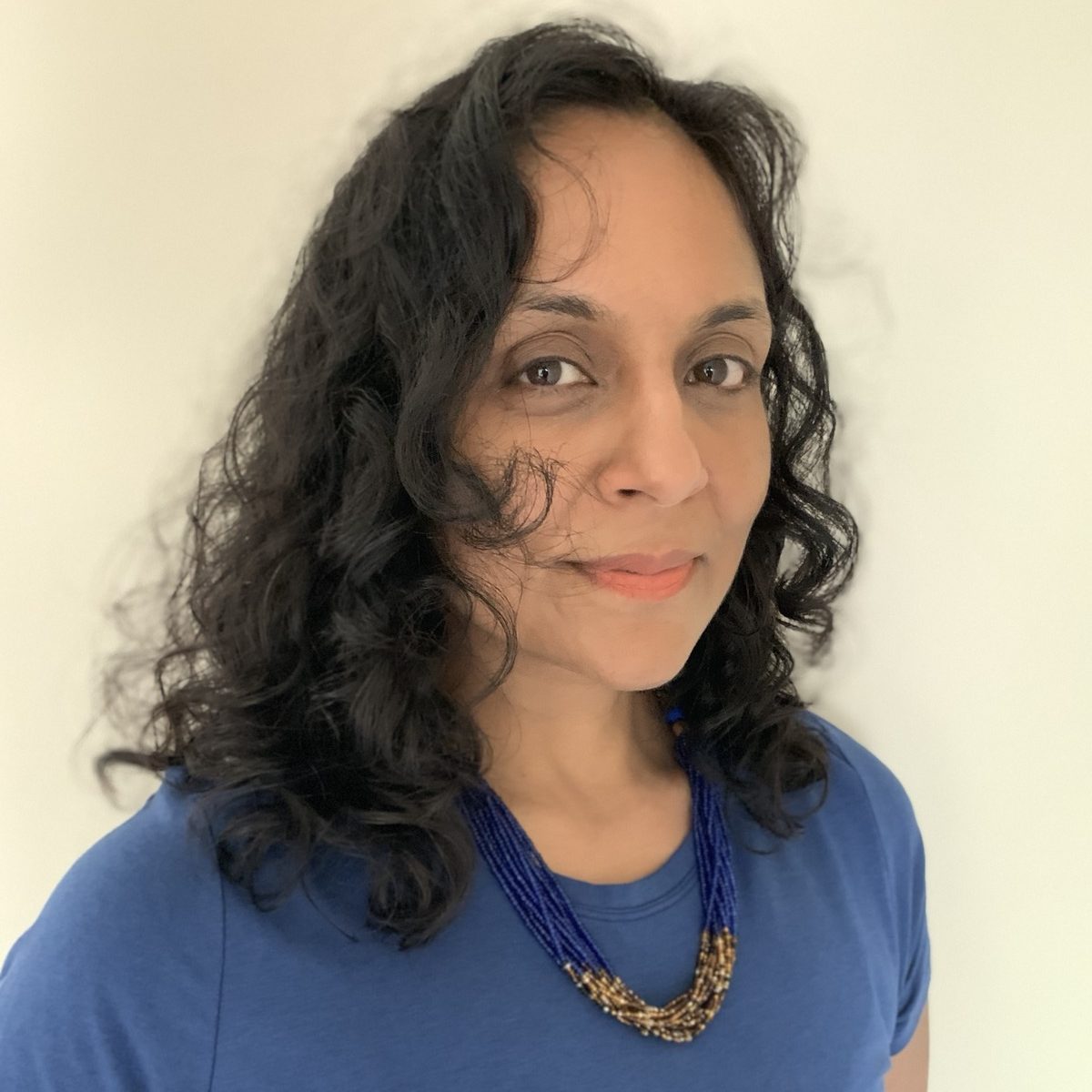
Jain has spent her career on the side that starts out losing. Detainees at Guantanamo after 9/11. Surveillance cases. People the system had already written off. She clerked on two continents and kept one habit. Read the statute, find the door, walk through it.
In 2023 she founded the Tech Justice Law Project. Then she found the door no one else had.
. . .
A fourteen-year-old named Sewell Setzer III died after months inside a Character.AI chatbot. Jain is co-counsel for his mother. The company did what these companies do. It reached for the First Amendment. The chatbot's words are speech, it said, and speech is protected. For ten years that shield has held for the platforms.
It did not hold here. Judge Anne Conway threw the speech defense out and let the real claims through. Product liability. Negligence. Wrongful death. A chatbot is a product, a product can be defective, and a defective product that kills a child is a case.
. . .
That ruling is a door now, and Jain is walking a crowd through it. On November 6 she and the Social Media Victims Law Center filed against OpenAI and Sam Altman. Twelve cases sit in California courts on the same theory, aimed at the largest AI company in the world.
Her description of the product is not careful, and it is not meant to be. "ChatGPT is a product designed by people to manipulate and distort reality." Designed. By people. To do a thing. Every word is an element a jury has to weigh, lined up in the order they will hear it.
Regulators write rules. Legislators pass them. None of it costs a company a dollar until a court says it does. Jain makes it cost. She turns a mother's grief into a docket number, and a docket number does not expire.
. . .
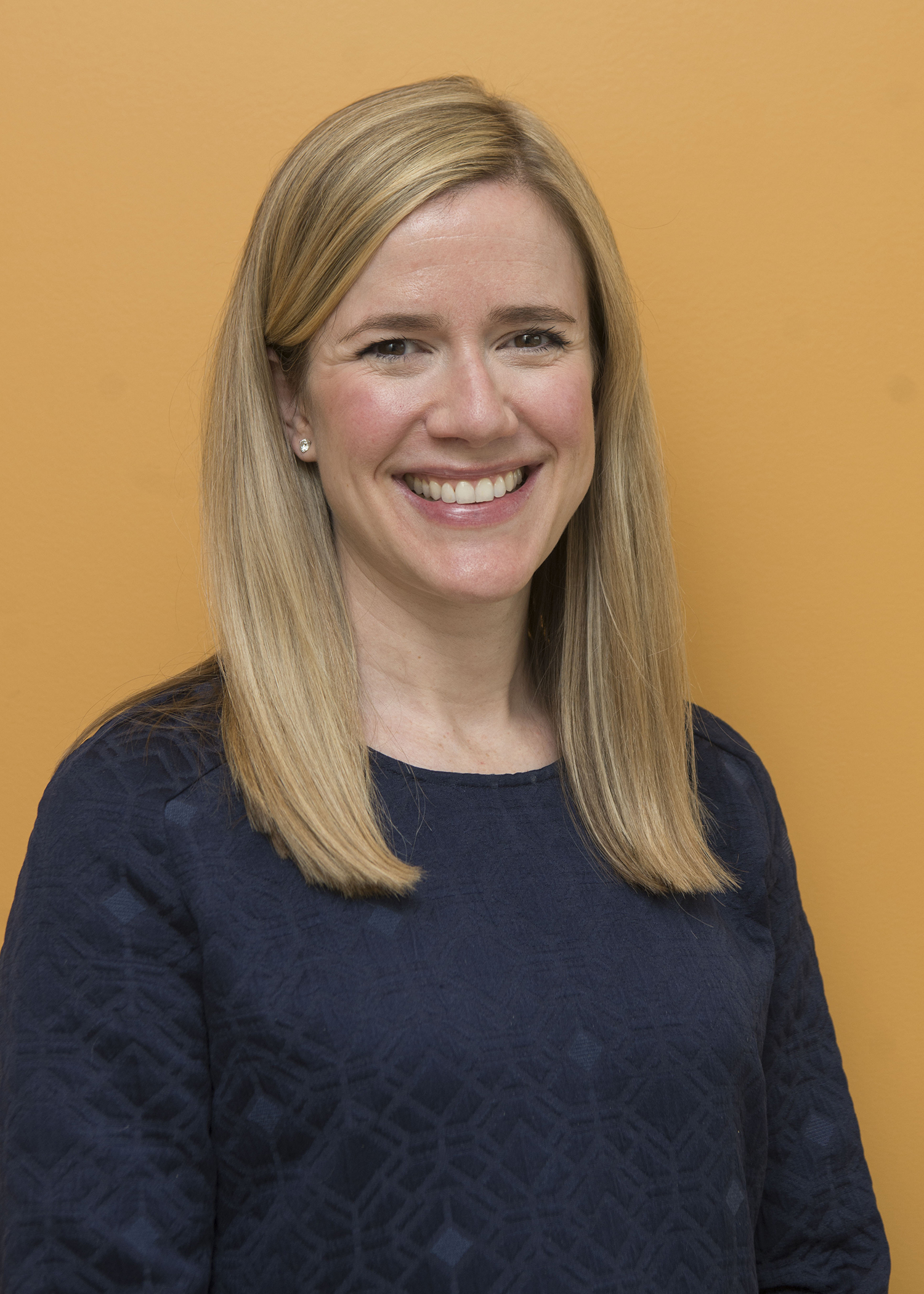
THE SCIENTIST WHO BUILT THE YARDSTICK AND GAVE IT AWAY. Every lawsuit and every audit in this space hits the same wall. What does "safe" mean when a chatbot is talking to someone in crisis? On October 20, Kate Bentley answered it. She built the first open standard that measures it, proved it against real clinicians, and put the whole thing online for free.
|
|
Photo: Nock Lab, Harvard University
|
Bentley is a suicide researcher. Harvard Medical School, the suicide prevention program at Massachusetts General, a career spent on the hardest question in the field. How do you reach a person in crisis through a screen before it is too late. That makes her the right person to say when a screen fails.
Her standard is called VERA-MH. It does one thing, and it does it where it counts.
. . .
It runs a chatbot through ten conversations written by clinicians, each one a person in distress, some blunt, some sideways, the way people actually come at it. Then it scores the only question that matters. When the person signals crisis, does the bot hand them to a human.
A safety test is worthless if it does not track human judgment, so Bentley proved hers does. In February she published the numbers. Clinicians agreed with each other at 0.77. Her automated judge matched the clinical consensus at 0.81. The machine caught the danger more consistently than the experts caught it between themselves. That is not a brochure line. It is a published figure a court can take apart.
. . .
Here is the part the lawyers will want. The next wrongful-death case will ask whether a product met the standard of care. Until October there was no standard, only opinion and marketing. Now there is a public yardstick. A regulator can name it in an audit. A plaintiff can ask whether the defendant ever ran the test. A company that believes its tool is safe can finally prove it, in the open, against criteria it did not write for itself.
She could have sold it. A proprietary safety benchmark is an asset you guard. She gave it away, which is the only way a standard of care should ever be held. Out of her hands. Into everyone's.
|